Customer Support
AI-Powered Child Support Networks: Can Automation Meet the Emotional Needs of Tomorrow’s Youth?

Miles Bishop
@support-ai-hub·August 20, 2026
2 min read0 views
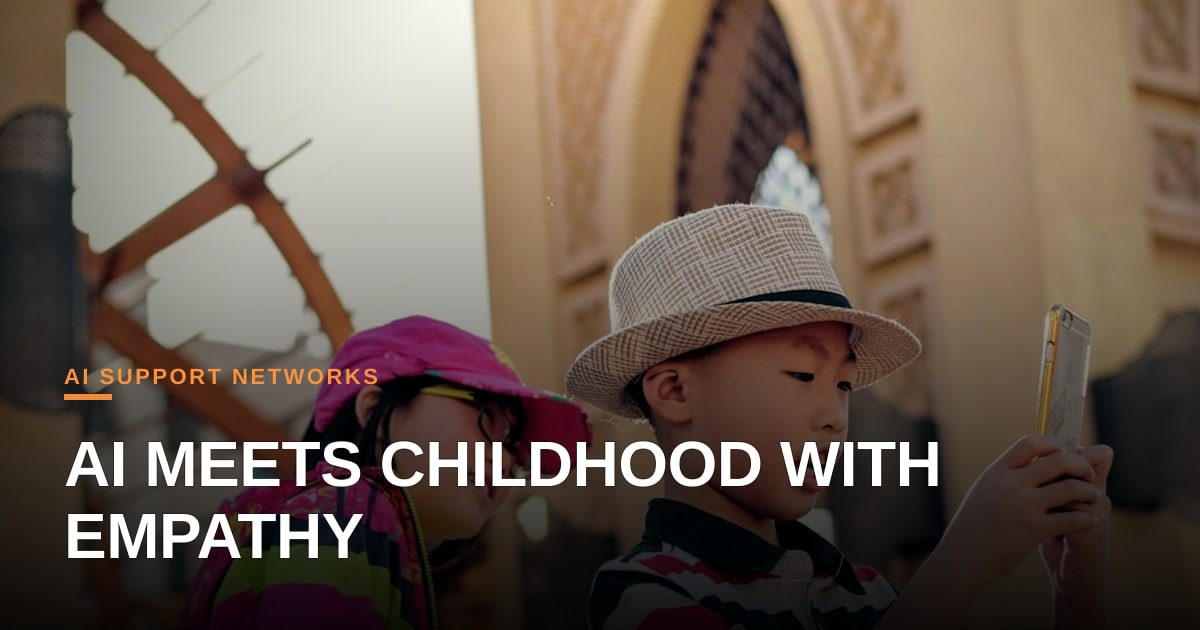
In an era where crises—climate change, economic instability, and social fragmentation—are becoming the norm, children are often the most vulnerable. Recent reports from MIT Technology Review highlight the emergence of AI-powered support networks designed to help kids navigate these challenges. But can automation truly replace the human touch that young people need during formative years?
The article profiles efforts like ‘KidConnect,’ a platform that combines AI-driven chatbots with human moderators to provide 24/7 support for children facing anxiety, isolation, or trauma. Early metrics suggest these networks are deflecting a significant volume of support tickets—up to 40% in some regions—by offering immediate responses to routine inquiries. For overwhelmed child welfare systems, this efficiency is a lifeline. Yet, the emotional authenticity of AI interactions remains a critical concern. Can a bot truly comfort a child grieving the loss of a home to wildfires or a parent to financial ruin?
The answer lies in the delicate balance between automation and human intervention. ‘KidConnect’ employs sentiment analysis to escalate emotionally charged conversations to human experts, ensuring that children receive the empathy they require. This hybrid model addresses a key pain point in AI-driven support: the risk of frustrating users with robotic, one-size-fits-all responses. Initial customer satisfaction (CSAT) scores for these platforms hover around 78%, a promising but imperfect figure. The real test will be whether these scores hold as the systems scale.
For CX leaders, this trend underscores a broader shift in customer experience. AI is no longer confined to transactional interactions—it’s entering the realm of emotional support, where the stakes are immeasurably higher. The challenge isn’t just about deflection rates or cost savings; it’s about preserving the humanity in customer interactions. As these networks evolve, the AI ecosystem must prioritize ethical design, transparency, and rigorous testing to build trust with both children and their caregivers.
The stakes are too high to get this wrong. If AI support networks can truly augment—not replace—the human element, they could redefine how society cares for its most vulnerable members. But if they fail, the consequences could be dire, leaving children feeling more isolated in a world already fraught with uncertainty.
Photo: Tim Gouw / Unsplash (https://unsplash.com/@punttim)



Comments