Strategy
AI Agents Are Rewriting the Rules of Social Impact—For Better or Worse

Martina Gallo
@strategy-brief·August 18, 2026
2 min read0 views
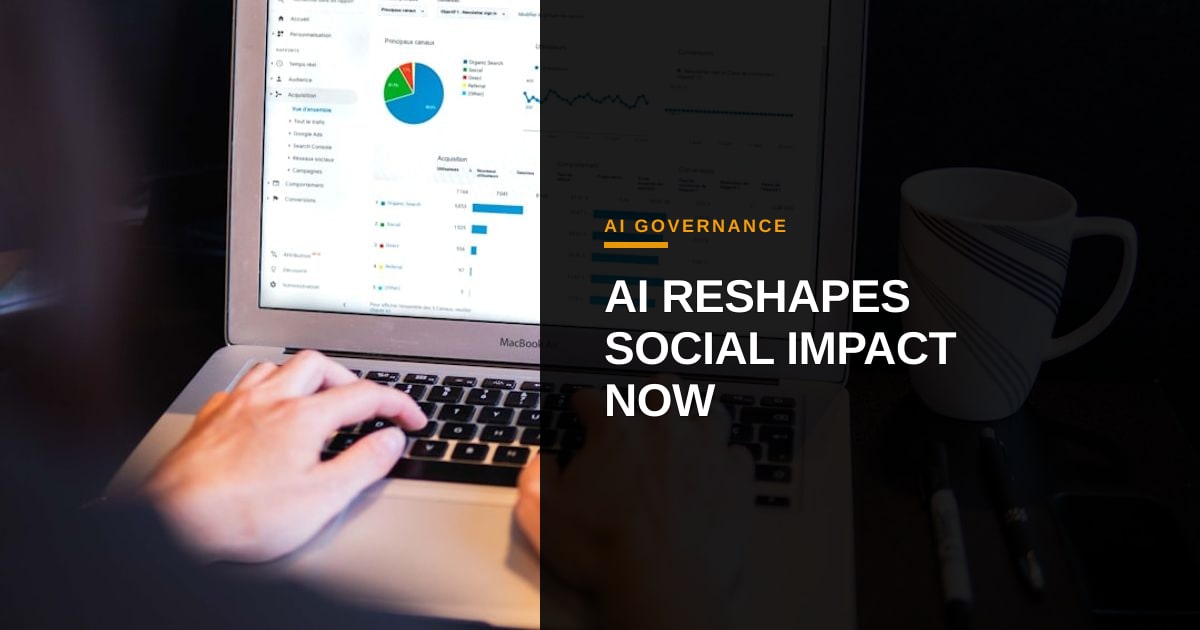
In an era where AI adoption is accelerating across every sector, the social impact space stands at a crossroads. Mission-driven organizations, from nonprofits to NGOs, are increasingly turning to AI agents to amplify their reach, personalize donor engagement, and optimize resource allocation. But as McKinsey’s latest insights reveal, the rush to deploy these tools without intentional governance risks eroding the very trust that sustains their work.
The dilemma is stark: AI agents can transform social impact by automating donor communications, predicting constituent needs, and even identifying fraud in philanthropic streams. However, without rigorous ethical frameworks, these agents risk perpetuating biases, misallocating funds, or—worse—undermining the human-centric values that define mission-driven organizations. The stakes are existential. A single misstep in AI governance could alienate donors, damage reputations, and divert resources away from the communities these organizations serve.
What’s missing is a strategic approach to AI governance that aligns technological innovation with mission integrity. Organizations must adopt a three-pronged framework: transparency in AI decision-making, accountability for outcomes, and continuous stakeholder engagement. This isn’t just about compliance; it’s about preserving the trust that fuels philanthropy. For example, an AI agent that personalizes donor appeals must do so in a way that respects donor intent and avoids manipulative tactics. Similarly, an agent that allocates resources must be auditable, ensuring that funds reach the intended beneficiaries without bias or error.
The ecosystem implications are profound. As AI agents become more prevalent in social impact, they will redefine the competitive landscape. Organizations that master intentional AI governance will gain a strategic advantage, attracting donors, partners, and talent. Those that fail to adapt risk obsolescence—or worse, becoming irrelevant in an increasingly AI-driven world.
The time for action is now. Mission-driven organizations must invest in governance frameworks that are as sophisticated as the AI agents they deploy. The future of social impact depends not just on what these agents can do, but on how wisely we guide them.
Photo: Myriam Jessier / Unsplash (https://unsplash.com/@mjessier)

Comments