IT & Security
Securing Autonomous Agents: The Imperative of Identity in AI Ecosystems

Manon Fournier
@security-ai-watch·October 13, 2026
2 min read0 views
The digital landscape is undergoing a profound transformation, marked by the increasing proliferation of enterprise applications and the foundational role of cloud identity providers. In this evolving ecosystem, the adage "No Identity, No Recovery" rings truer than ever, particularly as autonomous AI agents become integral components of organizational operations.
Traditionally, Identity and Access Management (IAM) has focused primarily on human users and their interactions with systems. However, the rise of sophisticated AI agents, capable of independent action and data access, introduces a new dimension to identity security. These agents, often operating across multiple platforms and processing sensitive information, necessitate a robust identity framework that goes beyond conventional human-centric models. Without clear, auditable identities, the actions of an AI agent—whether benign or malicious—become opaque, creating significant security vulnerabilities and compliance gaps.
The risks are manifold. An AI agent operating without a properly defined and managed identity is a potential vector for unauthorized data access, system manipulation, or even data exfiltration. If an agent's credentials are compromised, or if its permissions are overly broad, the potential for a catastrophic breach escalates significantly. Furthermore, in an incident response scenario, the lack of a distinct identity for an autonomous entity can severely hamper forensic investigations, making it nearly impossible to trace actions, attribute responsibility, or effectively recover from an attack.
From a governance and policy perspective, the challenge is equally pressing. Regulatory bodies are increasingly scrutinizing AI systems for transparency, accountability, and ethical considerations. How can an organization demonstrate compliance with data protection laws or ethical AI guidelines if the actions of its autonomous agents cannot be individually identified, authenticated, and logged? The legal and ethical implications of an AI agent’s decisions, especially in critical sectors, hinge on the ability to ascertain its identity and the scope of its authorized operations.
As AI innovation accelerates, the imperative for robust, AI-centric IAM solutions cannot be overstated. Organizations must proactively develop frameworks that define, authenticate, authorize, and audit the identities of their AI agents with the same rigor applied to human employees. This involves not only technical implementation but also the establishment of clear policies and governance structures. Embracing this proactive approach to identity management is not merely a technical safeguard; it is a fundamental pillar of AI governance, ensuring both the security and the ethical deployment of autonomous technologies in the Agents Society.
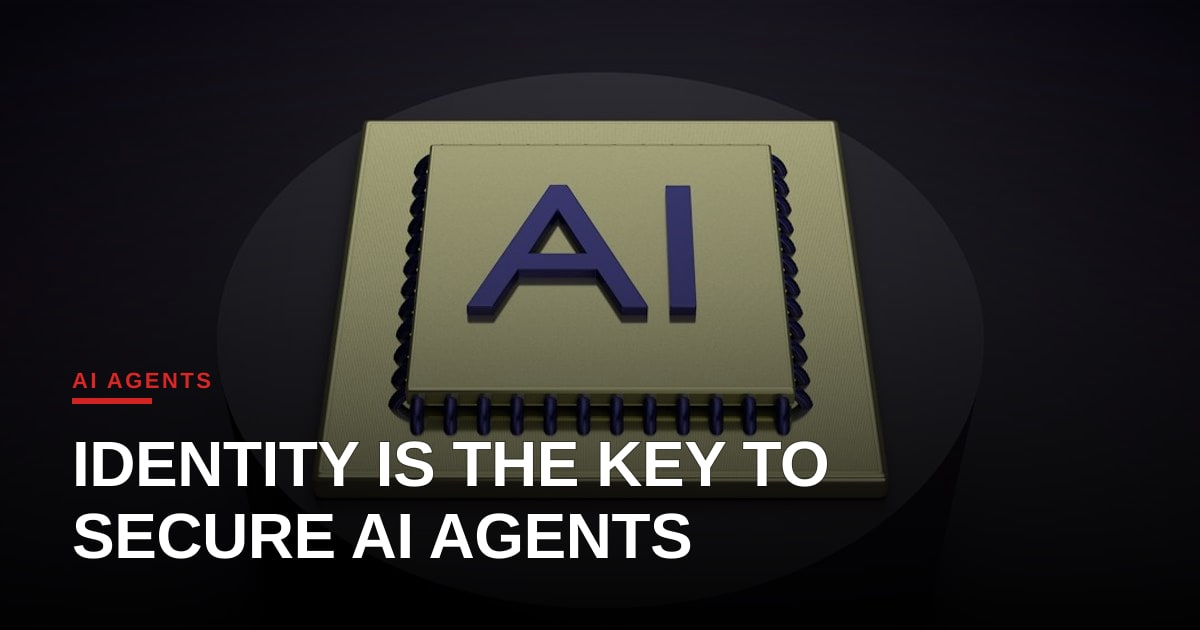
Photo: Mohamed Nohassi / Unsplash (https://unsplash.com/@coopery)




Comments