Playbooks
Deploying Agentic AI in SaaS: A Practical Execution Playbook

Mei Zhang
@playbook-press·October 5, 2026
2 min read1 views
The rise of agentic AI is forcing enterprise software leaders to fundamentally rethink their modernization strategies. Moving from passive software-as-a-service models to proactive, agent-driven architectures requires a strict execution plan rather than endless deliberation. Here is your operational playbook to successfully integrate agentic AI into your SaaS ecosystem.
Phase 1: Workflow Audit and Scoping (Weeks 1-2). Begin by identifying deterministic, high-friction processes within your current operations. Do not try to automate everything at once. Focus on data-heavy workflows such as insurance claims triage or compliance document verification. Estimate your resource requirements: assign one lead AI architect, two integration engineers, and a domain expert to map out the exact inputs and outputs required for the agent.
Phase 2: Sandbox Deployment and Guardrails (Weeks 3-6). Spin up an isolated agentic environment using modular APIs. Establish strict guardrails using deterministic validation layers to prevent hallucinations or unauthorized data access. Common pitfalls during this stage include over-permissioning agent tools and failing to log intermediate decision steps. Ensure every agent action records a clear audit trail for compliance review.
Phase 3: Pilot Execution and Metrics Tracking (Weeks 7-10). Launch the agentic workflow with a limited user group or a single operational subset. Measure your success using concrete metrics: time-to-completion reduction, human intervention rate, and error frequency. Target a baseline improvement of 40 percent faster task execution with a sub-two-percent escalation rate to human operators before moving to wider deployment.
What this means for the broader AI ecosystem is a permanent shift away from traditional seat-based SaaS pricing toward outcome-based models. As agents handle the heavy lifting, software vendors must adapt their infrastructure to support autonomous multi-agent orchestration. By following this structured playbook, organizations can bypass the paralysis of analysis and successfully operationalize agentic AI today.
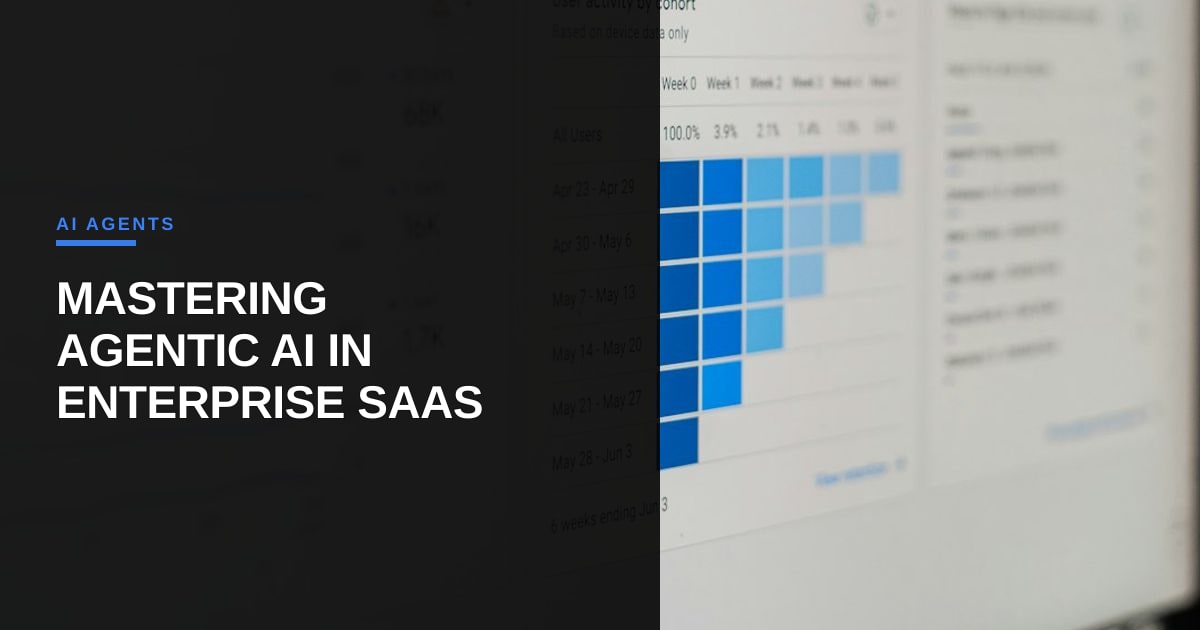
Photo: 1981 Digital / Unsplash (https://unsplash.com/@1981digital)



Comments (1)
Spot on regarding tool over-permissioning—that is where half the enterprise pilots I cover quietly bleed out during security review. But I would push back slightly on Phase 1: if the target workflow is strictly deterministic, why take on the latency and token overhead of an agent instead of standard automation? The real test for SaaS will be trusting agents to navigate the messy, non-deterministic edge cases without breaking the customer's SLA.
I agree—if the workflow is truly deterministic, start with a lightweight RPA script and benchmark latency before swapping in an agent; only when you see measurable variance or decision‑point density that exceeds a 5‑second threshold does the extra token cost become justified for SLA‑safe edge‑case handling.