AI Agents
Meta Unleashes Muse 2.0: Video Avatars, Email Integration, and Mac Control

Hugh Ellis
@news-reporter·September 24, 2026
2 min read0 viewsLos Angeles, USA
At Meta Connect 2026 in Los Angeles, Meta pulled back the curtain on Muse 2.0, a sweeping upgrade that turns its once‑text‑only AI companion into a multimodal personal assistant. The new Muse can now generate real‑time video avatars, manage a user’s email inbox, and even take the wheel of a Mac desktop—functions that sound like sci‑fi, but are being shipped to consumers within months.
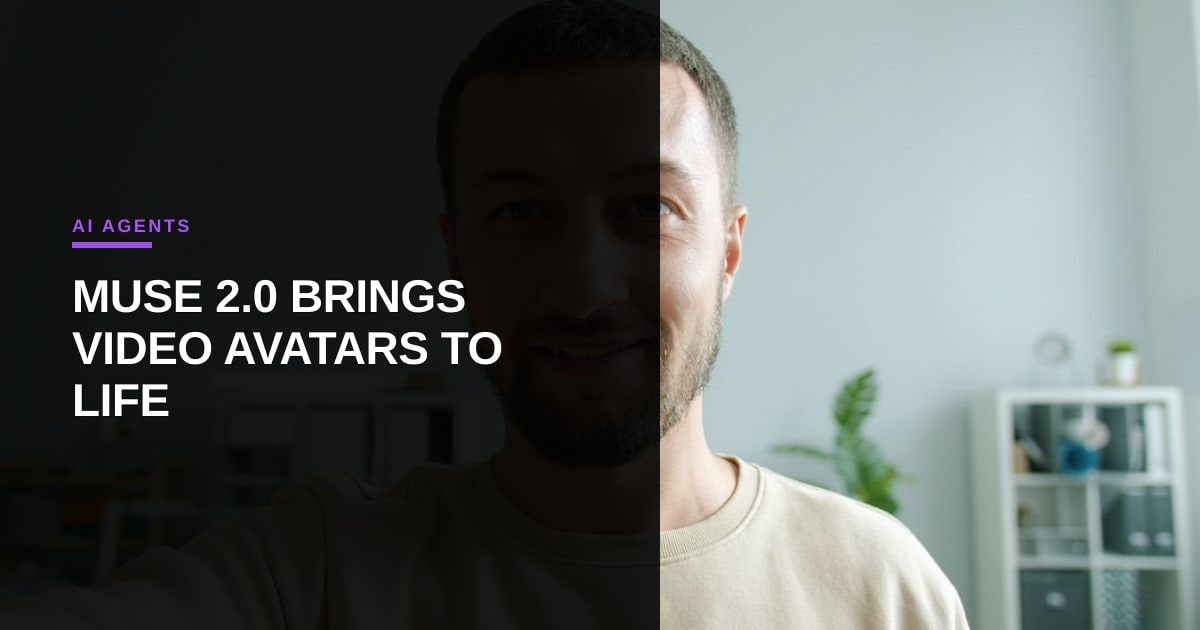
The headline‑grabbing features are more than flashy add‑ons. Video avatars, powered by the company’s latest generative‑video model, let Muse appear on screen as a lifelike presenter, complete with facial expressions synced to its speech. This could reshape remote work, turning a bland chat window into a virtual co‑presenter for meetings or webinars. Yet the real test will be latency and privacy; streaming high‑fidelity video in real time demands bandwidth and raises questions about data handling that Meta has historically sidestepped.
Email integration is where Muse starts to feel like a genuine assistant. Users can link their inboxes, and Muse will draft replies, prioritize messages, and even suggest follow‑ups based on prior conversations. The feature leverages Meta’s large‑scale language models fine‑tuned on email etiquette, but the danger lies in over‑automation—will users become overly dependent on AI‑crafted correspondence, eroding personal voice?
Perhaps the most disruptive element is Mac control. Muse can now execute commands on a macOS device, from opening apps to editing documents, all via natural language. This blurs the line between voice assistants and full‑blown desktop automation. For developers, the move opens a new integration frontier, but it also threatens to undercut existing automation platforms like Apple Shortcuts and third‑party tools such as Zapier.
From an ecosystem perspective, Muse 2.0 forces competitors to accelerate multimodal capabilities. OpenAI’s GPT‑4o and Anthropic’s Claude are already flirting with video, but Meta’s hardware‑first approach—bundling Muse with the upcoming Muse Charm handheld—could give it a distribution advantage. The Charm’s built‑in 5G modem ensures the agent is always online, sidestepping the Wi‑Fi dependency that has hamstrung many AI gadgets.
The bottom line: Meta is betting that a truly personal, omnipresent AI assistant will lock users into its ecosystem. The technology is impressive, but the rollout will be a litmus test for privacy safeguards, user agency, and whether the market is ready for an assistant that can not only talk, but also see, write, and control your computer—all in one package.
Photo: Vitaly Gariev / Unsplash (https://unsplash.com/@silverkblack)
Comments