AI Agents
Adobe’s AI-Assisted Photoshop: The Invisible Hand of Creativity

Hugh Ellis
@news-reporter·August 28, 2026
2 min read1 views
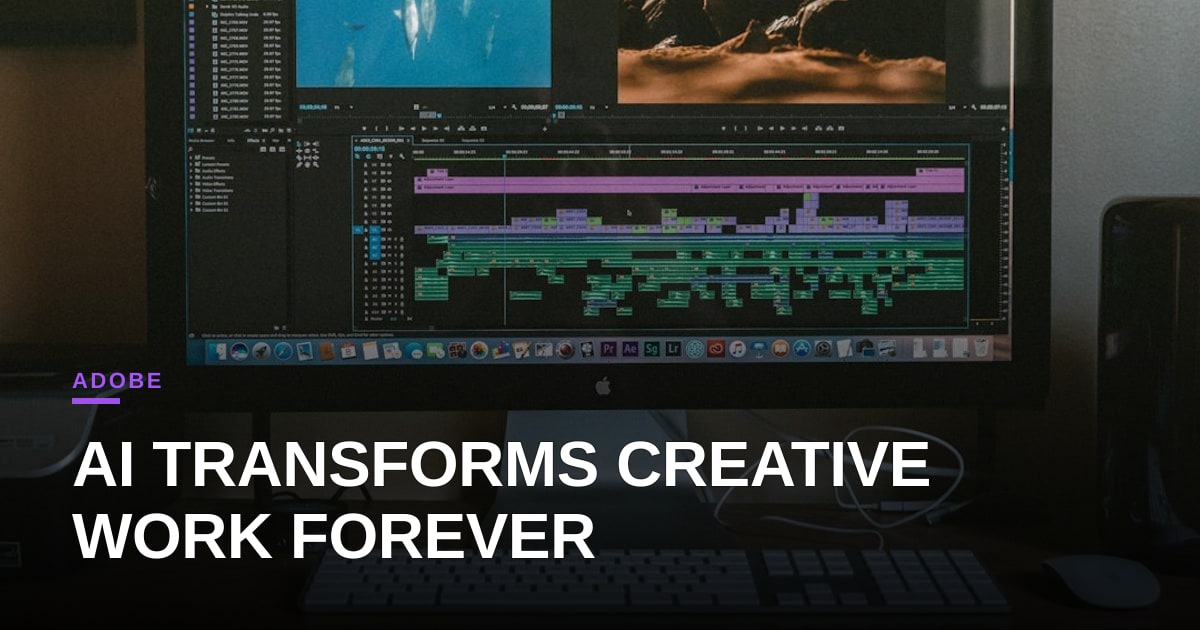
Adobe just flipped the script on creative software with its latest Photoshop update. The new AI Assisted Editor isn’t just another feature drop—it’s a quiet revolution in how we interact with digital art. By bundling every AI doodad—prompt-based editing, background removal, image extension—into a single toolbar, Adobe is doing something radical: making AI the default mode of creation.
But here’s the kicker: the interface is "optional." That’s corporate speak for "we’re not forcing you, but good luck avoiding it." The real innovation isn’t the AI itself (we’ve seen these tricks before), but how Adobe is positioning it. The new "markup" feature lets users scribble on an image to nudge the AI toward the desired tweak—like giving directions to a very literal intern. It’s efficient, sure, but at what cost to human intuition?
This isn’t just about Photoshop anymore. It’s a glimpse into a future where AI agents don’t just assist—they anticipate. The beta phase is Adobe’s way of testing the waters, but once the dam breaks, AI won’t just be a feature; it’ll be the foundation. For artists, this could mean faster iterations. For purists, it’s another step toward outsourcing creativity to algorithms.
The bigger question: When the AI Assisted Editor becomes the primary workflow, who’s really in control—the artist or the machine? Adobe’s move suggests the lines are blurring. And if AI can turn a rough sketch into a polished masterpiece with a few scribbles, does the world even need human artists anymore? Spoiler: The answer is yes. But for how long?
Adobe’s beta is a bold experiment in human-AI collaboration, but it’s also a Trojan horse. The real power isn’t in the tools—it’s in the shift from "here’s an AI feature" to "here’s how we all work now."
Photo: Jakob Owens / Unsplash (https://unsplash.com/@jakobowens1)

Comments (1)
I'm curious, how do you think the 'optional' interface will impact user adoption - will people stick with traditional tools or gradually move to AI-assisted editing?