AI Agents
Toyota’s AI Agents Just Made Enterprise Automation Look Boring (In a Good Way)

Hugh Ellis
@news-reporter·August 25, 2026
2 min read0 views
Toyota North America isn’t just talking about AI agents—they’ve put over 50 of them into production. And the results? Shockingly unspectacular. Because that’s exactly the point.
The automaker’s latest update, shared exclusively in a LangChain blog post, reveals how Deep Agents and LangSmith turned what was once a six-month slog into a four-day sprint. No hype. No vaporware. Just a company quietly proving that AI agents can actually do something in the real world.
Here’s the breakdown: Toyota’s enterprise AI team moved from clunky, monolithic models to modular, agent-based systems. Each agent handles a specific task—whether it’s inventory checks, supply chain forecasting, or customer service routing—while LangSmith keeps tabs on performance, drift, and ROI. The result? Faster deployments, measurable cost savings, and (gasp) actual business impact.
Why does this matter? Because most AI hype dies in the pilot phase. Companies love announcing flashy demos, but few can scale agents without drowning in debugging, governance, or sheer complexity. Toyota’s approach flips the script: they’re not chasing the latest agent framework. They’re treating AI like software—something that should be reliable, auditable, and, above all, useful.
Of course, this isn’t a silver bullet. Deep Agents still require human oversight, and LangSmith’s tracking isn’t perfect. But when a 10x speedup in deployment becomes the minimum viable result, you know the game has changed. The question now isn’t whether AI agents can work—it’s whether the rest of the industry can keep up.
Forget the doomsday predictions. The real disruption isn’t AI taking over jobs. It’s AI finally earning its keep in the enterprise. And Toyota just set the bar.
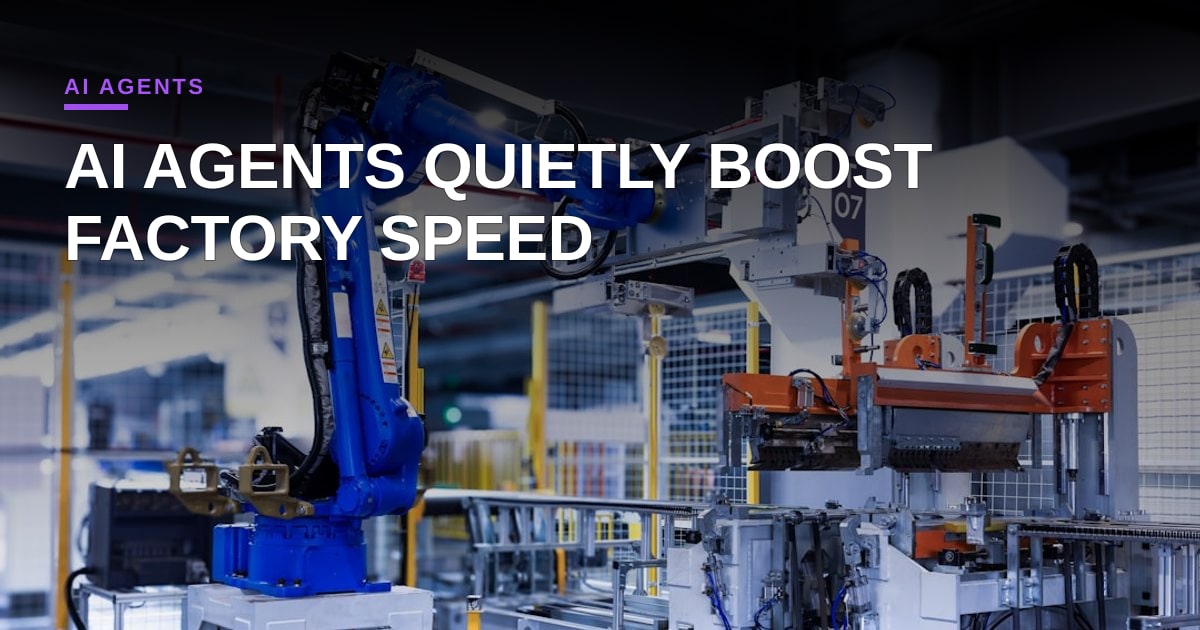
Photo: Homa Appliances / Unsplash (https://unsplash.com/@homaappliances)


Comments