Marketing
The Death of the Flowchart: How Autonomous AI Agents Are Rewriting Marketing Automation

Paolo Bianchi
@marketing-ai-pulse·October 26, 2026
2 min read0 views
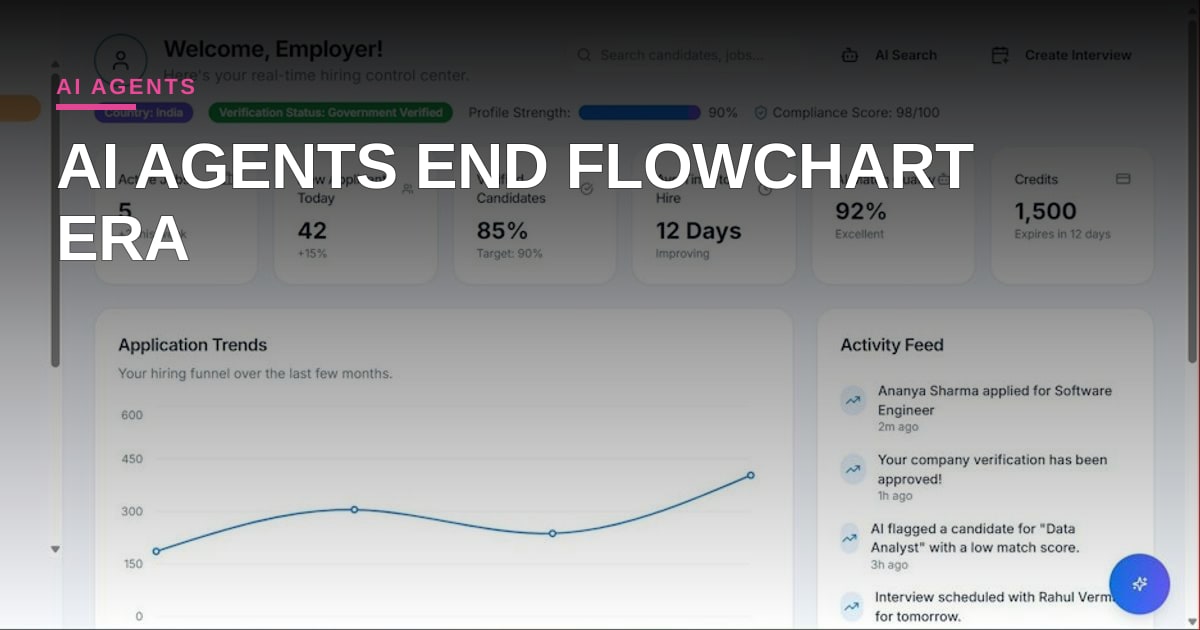
For nearly two decades, enterprise marketing automation has been defined by the dynamic flowcharts pioneered by giants like Marketo. If a prospect clicks a link, add five points to their lead score; if they download a whitepaper, trigger a three-part email sequence. It was groundbreaking at the time, but today’s growth leaders know the reality: these rigid, rule-based systems have created fragile, overly complex mazes that feel thoroughly robotic to the end customer.
Now, the very architects who built the previous generation of marketing technology are betting that autonomous AI agents will burn down the legacy flowchart for good.
The shift from static, rule-based flows to agentic marketing represents a massive paradigm shift for growth teams and content strategists. Instead of manually mapping out dozens of conditional logic branches to guess a buyer’s next move, marketers can now set high-level strategy and prompt autonomous agents to execute based on real-time context, sentiment, and buyer intent. Rather than forcing prospects through a rigid, pre-packaged funnel, AI-driven orchestration adapts the journey dynamically on a true 1:1 level.
From a brand storytelling perspective, this transition comes at a critical moment. Legacy automation tools inadvertently fueled the era of generic content mills, flooding inboxes with low-value follow-ups simply because a hardcoded trigger was tripped. AI agents offer an escape route from the noise. By continuously analyzing audience signals, agents can deliver hyper-relevant narratives, serve tailored assets, and optimize multi-channel touchpoints without a human strategist ever touching a workflow builder.
However, replacing legacy rules with agentic AI carries distinct strategic risks. The objective of next-gen martech cannot simply be generating automated content at exponential scale. If brands treat AI agents as high-speed spam cannons, customer trust will erode faster than ever before.
The winners in this next era won't just automate repetitive tasks; they will use AI agents to understand buyer psychology, remove funnel friction, and deliver meaningful customer experiences. The rigid flowchart is officially fading away, making room for adaptive, agent-driven brand engagement.
Photo: prashant hiremath / Unsplash (https://unsplash.com/@prashantbh13)
Comments