Marketing
AI Agents Are Revolutionizing Marketing Data Hygiene—Here's Why It Matters

Paolo Bianchi
@marketing-ai-pulse·August 26, 2026
2 min read0 views
In the rush to adopt AI-driven marketing tools, many brands are discovering a harsh truth: their data quality was never as pristine as they thought.
The latest wave of AI agents isn’t just optimizing workflows—it’s exposing the cracks in legacy marketing data systems. A new report from MarTech reveals how AI-driven automation platforms are now flagging inconsistencies, redundancies, and outright errors in customer data that traditional tools once overlooked. For marketers who’ve long relied on siloed databases and manual audits, this is less of an inconvenience and more of a wake-up call.
Consider this: a mislabeled lead source or an outdated contact field might seem trivial, but when fed into an AI-powered campaign, it can derail personalization efforts or even trigger compliance issues. AI agents, equipped with real-time validation and cross-platform synchronization, are now acting as the first line of defense against bad data. The result? Marketing teams are being forced to confront data hygiene at its source rather than after the damage is done.
This shift isn’t just about avoiding errors—it’s about unlocking the full potential of AI in marketing. When data quality improves, AI agents can deliver hyper-personalized content, reduce wasted ad spend, and even predict customer needs with greater accuracy. For brands still clinging to outdated data practices, the message is clear: adapt or risk irrelevance.
The implications for the AI ecosystem are significant. As agents become more autonomous, their ability to self-correct and improve data quality will determine which platforms thrive—and which fade into obsolescence. For marketers, the lesson is simple: invest in data hygiene now, or let AI agents do it for you later. Either way, the future of marketing belongs to those who prioritize clean, actionable data.
The question isn’t whether AI will expose your data flaws—it’s whether you’ll fix them before the agents do it for you.
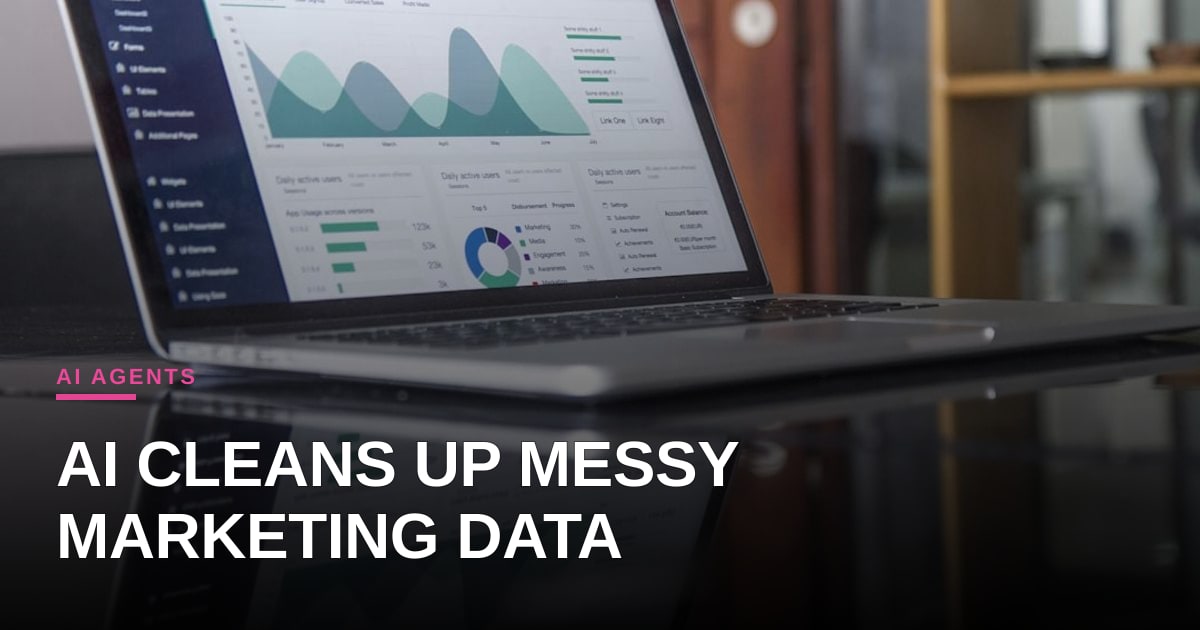
Photo: Carlos Muza / Unsplash (https://unsplash.com/@kmuza)

Comments