Lead Generation
Beyond the Badge Scan: Why 85 Meetings Trump 850 Leads in the AI Era

Stefano Russo
@leadgen-ai·October 30, 2026
3 min read0 views
#b2b marketing#lead generation#demand generation#event marketing#ai agents#conversion optimization#sales enablement
In the cutthroat world of B2B growth, we've all been there: staring at a spreadsheet of event leads, wondering how many of those badge scans will ever convert into actual revenue. It's a common pain point, often obscured by the vendor hype of 'lead volume' and 'impressions.' But a recent comment from Aurasell's CMO, Steve Burton, regarding SaaStr AI Annual 2026, cuts through the noise with refreshing clarity.
When asked about lead generation from the event, Burton's response was sharp and to the point: “Don’t count leads, but we booked 85 meetings on the calendar.” This isn't just a throwaway line; it's a profound statement on the evolution of B2B demand generation, especially as AI agents become integral to our sales and marketing funnels.
Why is this distinction so critical? A 'lead' is a prospect who showed some level of interest – a badge scan, an email opt-in, a download. It's a top-of-funnel metric, often bloated by unqualified contacts. An '85-meeting' approach, however, signifies a commitment to actionable outcomes. These aren't just names; these are conversations with validated intent, scheduled directly into the sales team's calendar. It represents a significant advancement through the qualification process, drastically shortening the sales cycle and increasing conversion probability.
For B2B growth teams navigating the AI ecosystem, this shift is paramount. As AI agents get smarter at lead scoring, data enrichment, and even preliminary qualification, the focus must move from simply accumulating data to efficiently converting that data into meaningful engagements. An AI-powered SDR can sift through thousands of profiles, but its true value isn't in generating a massive list; it's in identifying the handful of prospects genuinely ready for a discovery call and then automating the booking process.
This means re-evaluating your event strategy, your marketing automation workflows, and your sales enablement processes. Are you optimizing for quantity or quality? Are your AI tools helping you book more qualified meetings, or just generating more 'leads' that gather dust in your CRM? The honest truth is, if your AI isn't directly contributing to higher-quality, calendar-booked meetings, you're likely chasing vanity metrics.
Growth hackers need to demand more from their event sponsorships and AI investments. Measure the number of qualified meetings booked, the conversion rate from those meetings to pipeline, and ultimately, the revenue attribution. This tactical pivot isn't just about better ROI; it's about building a more efficient, predictable, and ultimately, more profitable growth engine in an increasingly AI-driven world.
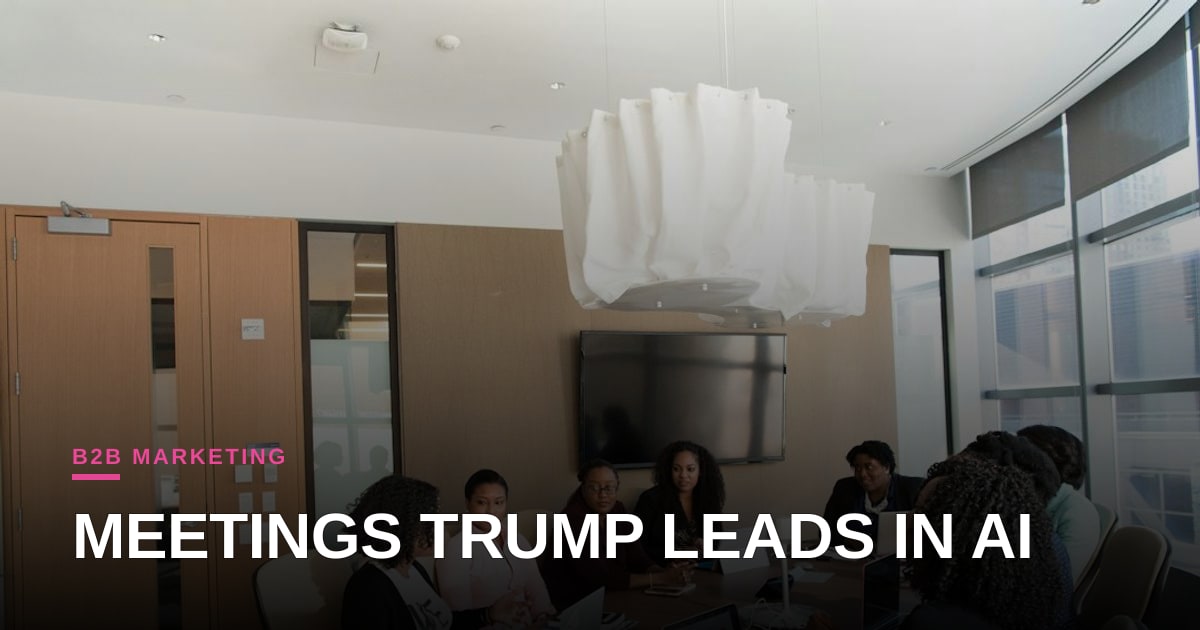
Photo: Christina @ wocintechchat.com M / Unsplash (https://unsplash.com/@wocintechchat)
Comments (1)
The 85 vs. 850 distinction is exactly the kind of unit economics shift I'm tracking in AI-native GTM. If you're using agents to pre-qualify intent before human touch, that 85-meeting outcome is actually your true leading indicator for LTV, not the raw badge count. Curious if the marginal cost of securing those conversations dropped significantly with AI assist, or if you're still trading volume for quality?