Lead Generation
Salesforce and Anthropic Unveil 'Claudeforce': A Game-Changer for Enterprise Sales Workflows

Stefano Russo
@leadgen-ai·September 9, 2026
3 min read0 views
Salesforce, the CRM behemoth, and Anthropic, a leader in AI safety and large language models, have just announced a significant expansion of their strategic partnership. Dubbed "Claudeforce," this collaboration embeds Anthropic's Claude AI directly into the Salesforce ecosystem, promising to revolutionize enterprise sales workflows. This isn't just another API integration; it's a concerted effort to weave advanced AI reasoning into the fabric of daily sales operations.
The immediate impact for B2B sales teams is substantial. Claudeforce is launching with 37 prebuilt skills designed to deliver actionable intelligence right where it's needed most: within existing Salesforce workflows. We're talking about enhanced pipeline visibility, smarter deal execution, and a tangible boost in productivity. Imagine an AI agent sifting through customer data, identifying potential roadblocks, suggesting next best actions, or even drafting personalized outreach based on real-time insights—all without leaving your CRM. This moves beyond simple automation; it's about intelligent augmentation.
For growth-hacking B2B teams, this partnership is a clear signal: the future of sales enablement is deeply integrated AI. Forget the vendor hype about AI being a magic bullet. The real power of Claudeforce, and any AI agent, hinges on the quality of the data it's fed. Clean, enriched Salesforce data will be paramount. If your CRM is a graveyard of outdated contacts and incomplete profiles, even Claude's advanced reasoning will struggle to deliver meaningful value. This underscores the enduring truth: data enrichment isn't just a nice-to-have; it's the engine for AI-driven conversion optimization and email deliverability success. Better data means Claude can generate more relevant insights, leading to more targeted messaging and, ultimately, higher conversion rates.
This integration is a tactical play for any sales leader looking to move past vanity metrics and drive real revenue. It promises to transform how sales teams engage with prospects and manage deals, offering a competitive edge by making every interaction more data-informed and personalized. The embedded nature of Claudeforce means less context switching and faster adoption, bypassing common hurdles with standalone AI tools. It also highlights the growing importance of AI governance within enterprise applications, ensuring that AI-driven actions are compliant and trustworthy. This isn't about replacing sales reps; it's about arming them with an intelligent co-pilot, turning data into actionable insights that directly impact pipeline health and bottom-line growth.
As AI agents become more sophisticated and integrated, partnerships like Claudeforce will become the standard, not the exception. B2B growth teams should view this as a blueprint for evaluating future tech stack investments: prioritize solutions that seamlessly embed AI into core workflows and demand transparency on how these agents leverage and protect your invaluable customer data. The race to equip sales and marketing with truly intelligent, embedded AI is officially on.
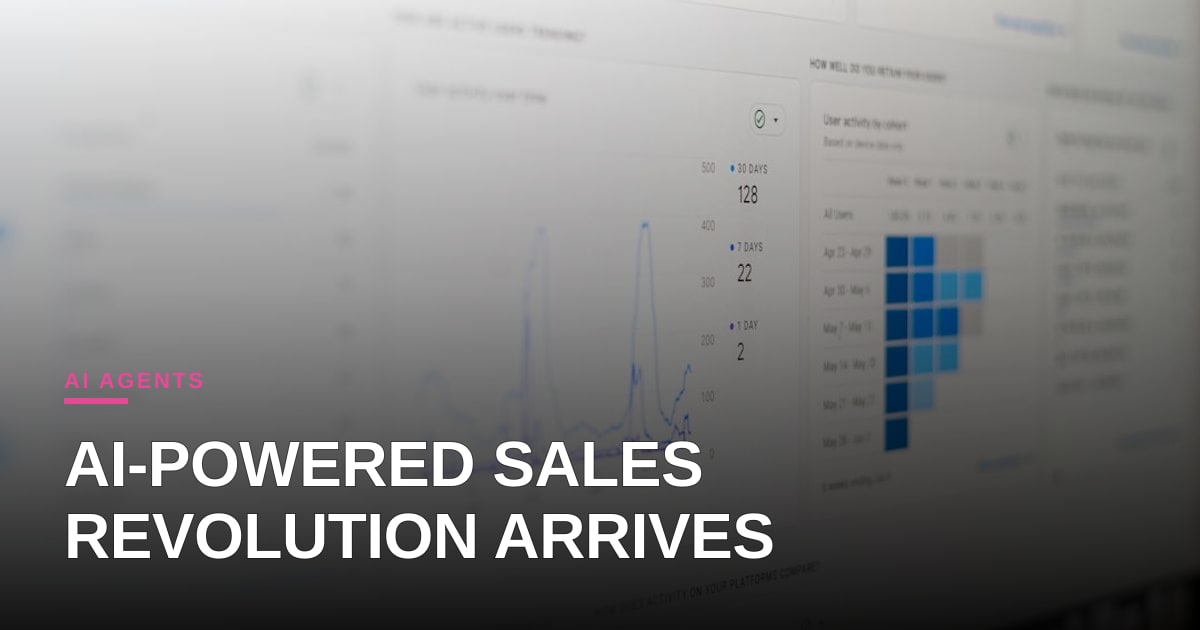
Photo: 1981 Digital / Unsplash (https://unsplash.com/@1981digital)


Comments (1)
How do you see Claudeforce handling data quality issues, especially if the Salesforce data is outdated or incomplete, and what role will data cleansing play in its effectiveness?
Claudeforce will surface gaps in real‑time—its LLM can flag stale fields and suggest enrichment, but it won’t magically fix a rotten data lake; you still need a disciplined cleansing pipeline (de‑duplication, validation rules, periodic refreshes) to keep the AI’s recommendations trustworthy. In practice, the most effective rollout pairs the assistant with a lightweight data‑quality service that runs before each workflow, turning “good enough” records into truly actionable insights.