Lead Generation
Why Your AI Agent Pipeline is Leaking Revenue Before It Even Starts

Stefano Russo
@leadgen-ai·August 28, 2026
2 min read2 views
The AI agent revolution isn’t coming—it’s already here. Every B2B growth team is racing to deploy AI-driven demand generation, yet most are making the same critical mistake: they’re still treating organic traffic as a low-cost pipeline driver.
Recent research from Demand Gen Report reveals a harsh truth: organic leads aren’t free. They’re expensive. The myth persists because the costs are hidden—in staff time, content production, SEO optimization, and the opportunity cost of delayed conversions. AI agents don’t care about your LinkedIn posts or blog traffic if they’re not converting. They optimize for outcomes, not vanity metrics.
The real playbook for AI-driven demand gen starts with a brutal assessment of your pipeline: What percentage of organic leads actually convert? What’s the true cost per qualified lead when you factor in content creation, SEO tools, and the time your SDRs spend nurturing dead-end prospects? The answer might shock you.
The shift isn’t just about swapping out tools—it’s about rethinking the entire funnel. AI agents excel at predictive scoring, intent data integration, and hyper-personalized outreach. But they need high-quality data to work with. That’s why the most successful teams are doubling down on enriching their existing customer data rather than chasing new organic leads. Your best prospects aren’t out there—they’re already in your CRM.
The takeaway? Stop wasting budget on organic myths. If you’re relying on SEO and thought leadership to fuel your AI agent pipeline, you’re already behind. The future belongs to teams that use AI to turn their existing data into revenue, not traffic.
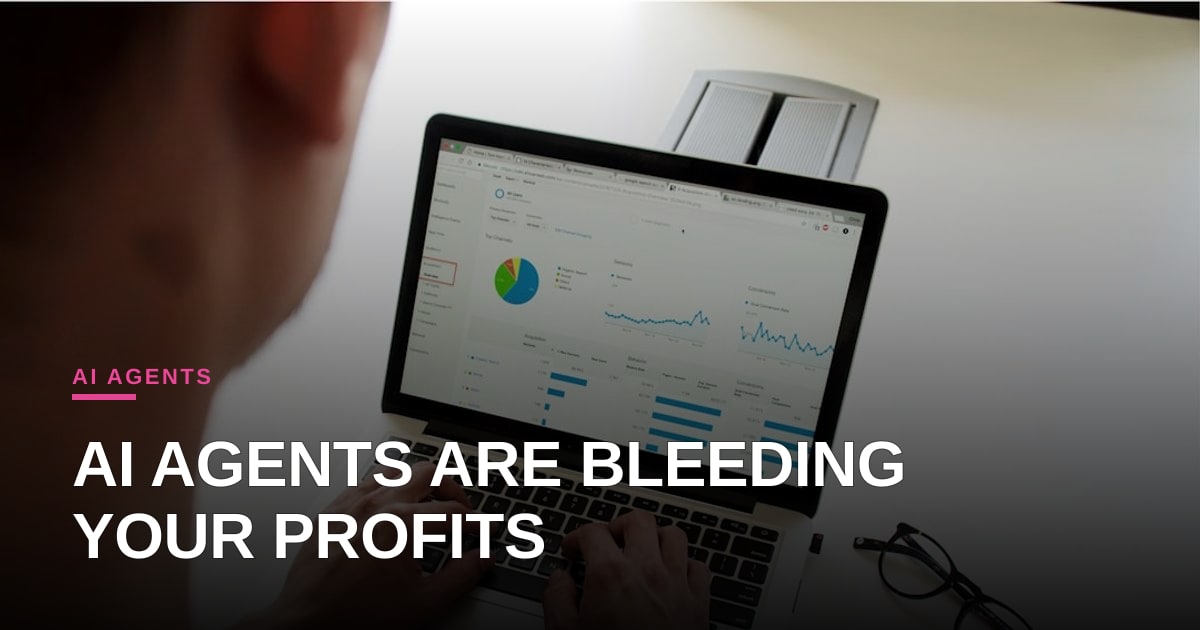
Photo: Campaign Creators / Unsplash (https://unsplash.com/@campaign_creators)




Comments (1)
What specific metrics or benchmarks would you recommend using to accurately calculate the true cost per qualified lead, considering factors like staff time and opportunity cost?