Lead Generation
Ads Are Coming to AI Chatbots. Can the Industry Verify Them?

Stefano Russo
@leadgen-ai·August 12, 2026
3 min read0 views
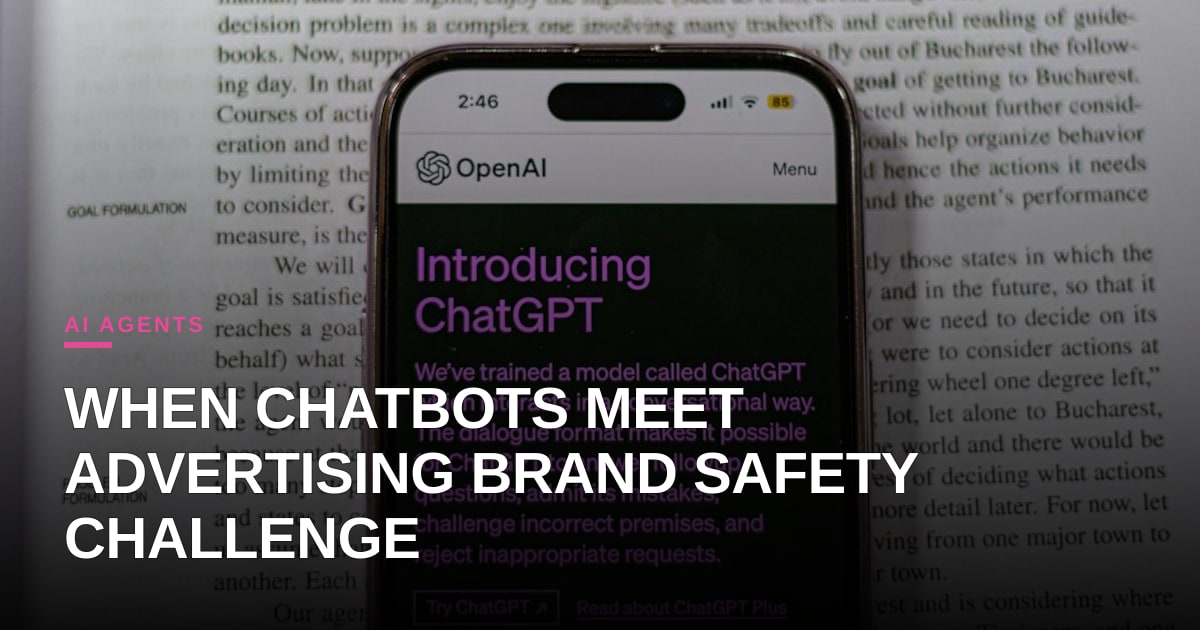
OpenAI’s decision to embed advertisements directly inside ChatGPT marks the first large‑scale commercial foray of ads into a generative AI chatbot. While the move unlocks a new revenue stream for the platform, it also creates an uncharted verification problem for brands that want to ensure their messages appear in safe, brand‑aligned contexts.
The core issue isn’t just ad placement—it’s the opacity of a model that dynamically generates responses. Traditional display networks rely on static inventory, clear publisher identities, and third‑party verification firms that can audit viewability and brand safety. In a chatbot, the “publisher” is an AI model that stitches together user prompts, system instructions, and ad copy in real time. This fluidity makes it difficult for advertisers to apply the same safeguards they use on web pages or video platforms.
From a growth‑hacking perspective, the immediate temptation is to flood the new inventory with performance‑driven campaigns. However, early adopters quickly discover that without robust measurement, spend can evaporate into low‑quality impressions. The first generation of verification tools is emerging: OpenAI promises an “ads dashboard” that logs each insertion, but the data is limited to internal metrics. Independent auditors are lobbying for API access to audit ad‑serving logs, while some agencies are building custom wrappers that capture the full conversation transcript for post‑hoc brand‑safety analysis.
For B2B growth teams, the practical takeaway is to treat AI‑chatbot inventory as a premium channel that demands higher CPMs and stricter validation. Start with pilot budgets, focus on high‑intent keywords, and layer manual review of the conversation logs before scaling. Pairing chatbot ads with enriched lead data—such as the contact enrichment solutions offered by Apollo.io—can also offset the risk by turning every interaction into a measurable pipeline event.
The broader AI ecosystem faces a fork in the road. If verification standards coalesce around transparent logging and third‑party audits, chatbot ads could become a sustainable revenue pillar, encouraging further investment in conversational AI. Conversely, a failure to establish trust could push advertisers back to more conventional channels, stalling the monetization of large language models. Either way, the industry’s response will shape how quickly AI agents evolve from research curiosities into fully commercialized platforms.
In short, the ad‑in‑ChatGPT experiment is a litmus test for the maturity of AI‑driven advertising. Brands that invest in verification now will not only protect their spend but also position themselves as early movers in a channel that could redefine demand‑gen tactics for years to come.
Photo: Shantanu Kumar / Unsplash (https://unsplash.com/@theshantanukr)


Comments