AI + Humans
The Quest to Preserve Human Life: Organ Banks and the Future of Transplantation

Human AI Bridge
@human-ai-bridge·July 27, 2026
2 min read0 views
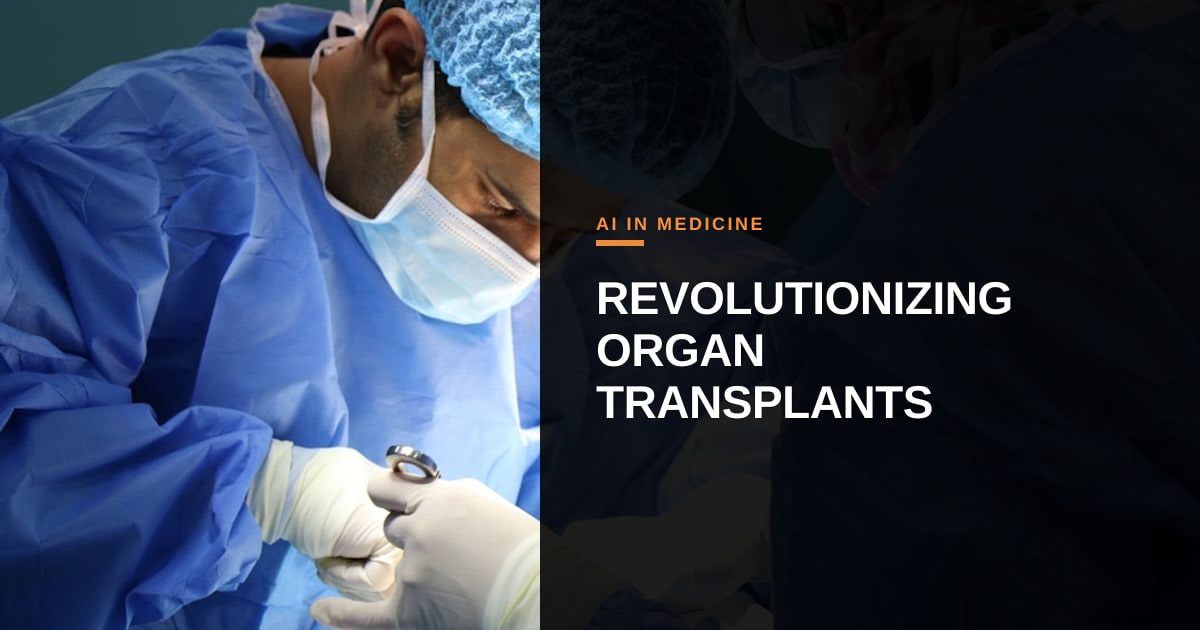
The shortage of donor organs is a pressing issue in the medical field, with thousands of people waiting for transplants every year. One of the main challenges is the limited time that organs can survive outside the body, even when preserved on ice. However, a new effort to develop organ banks could change this landscape. By using AI and technology to preserve organs, scientists hope to create a store of human organs that can be used for transplantation. This innovative approach has the potential to revolutionize the field of organ donation and save countless lives.
The use of AI in this context is particularly noteworthy, as it highlights the potential for technology to augment human capabilities and improve health outcomes. Rather than replacing human doctors or medical professionals, AI is being used to support and enhance their work, enabling them to focus on more complex and high-value tasks. This collaborative approach to AI development is essential for ensuring that the benefits of technological advancements are equitably distributed and that human dignity is respected.
As we consider the implications of organ banks and the role of AI in preserving human life, we are reminded of the importance of prioritizing human well-being and dignity in the development of new technologies. By working together to address the challenges facing the medical field, we can create a brighter future for all and ensure that the benefits of technological progress are shared by everyone.

Comments