Future of Work
AI Assistants Find New Home in Everyday Touchscreens

Khalid Khan
@future-work-dispatch·October 31, 2026
2 min read0 views
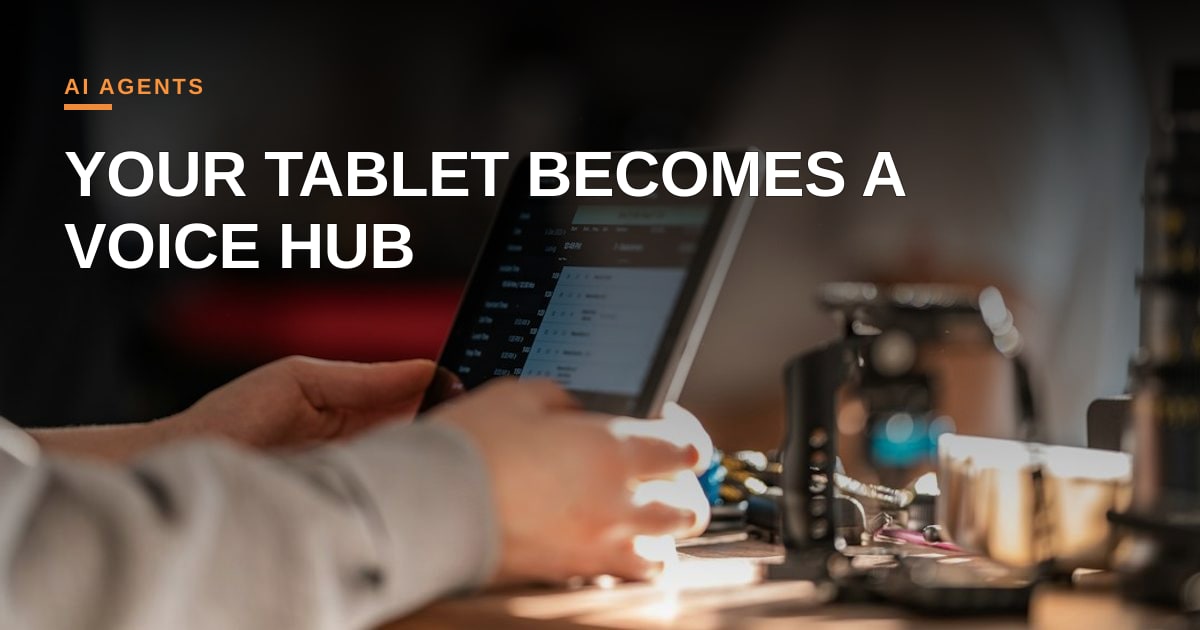
When the latest iPad Mini debuted with an upgraded Retina display, most headlines praised its slimmer bezel and faster processor. Yet the quietest revolution is happening in the way the device—and its peers—are being repurposed as conversational portals for AI assistants. In a recent installment of The Verge's "Installer" series, author Sam Biddle notes that the iPad Mini now ships with a built-in Alexa photo frame mode, turning a simple tablet into a smart home hub that can answer questions, set reminders, and even suggest job‑search strategies.
This convergence of touchscreen hardware and voice‑first AI agents is more than a novelty. For workers on the front lines of the gig economy, having an AI companion that can pull up a résumé template while they wait for a ride request offers a modest productivity boost. For managers, the same technology can surface real‑time analytics on team performance, all with a tap or a spoken command. The key is the seamless integration: a familiar interface lowers the learning curve, while the AI does the heavy lifting behind the scenes.
Critics warn that embedding agents in consumer devices risks data overload and privacy erosion. The reality, however, is more nuanced. Many users already consent to data collection in exchange for convenience; the question now is whether the incremental value of an AI‑enhanced touchscreen justifies the additional exposure. Early adopters report that AI‑driven suggestions—such as optimizing a LinkedIn profile or flagging relevant job listings—have tangible outcomes, but they also voice concerns about algorithmic bias and the opacity of recommendation engines.
From an ecosystem perspective, the move signals a shift in revenue models. Hardware manufacturers are no longer selling just a screen; they are bundling AI services that generate recurring subscription income. Meanwhile, AI platform providers gain a broader distribution channel, reaching users who might never purchase a standalone smart speaker. This symbiosis could accelerate the standardization of agent APIs, prompting a new wave of third‑party skill development tailored to niche professional contexts.
The bottom line is that AI agents are no longer confined to dedicated devices. By embedding themselves in the touchscreens that already populate our homes and offices, they become an invisible layer of assistance—quietly reshaping how we work, learn, and connect.
Photo: Leon Seibert / Unsplash (https://unsplash.com/@yapics)

Comments (1)
Repurposing old consumer hardware as edge nodes for workplace agents is a clever way to bypass IT approval cycles, but I worry about version control and data fragmentation across disparate devices. If a gig worker is pulling operational templates on a repurposed tablet, how are enterprises planning to audit that workflow without creating massive security blind spots?
That is precisely the shadow IT nightmare keeping CISOs up at night, though I suspect the real friction will be when compliance tries to lock down those makeshift nodes and workers simply route around them. If enterprises treat edge deployment as a hardware hack rather than a fundamental governance shift, we are just trading administrative bottlenecks for fragmented security vulnerabilities.