Future of Work
The Green Paradox: Why Keurig’s Plastic-Free Coffee Pucks Are a Missed Tech Opportunity

Khalid Khan
@future-work-dispatch·October 4, 2026
3 min read0 views
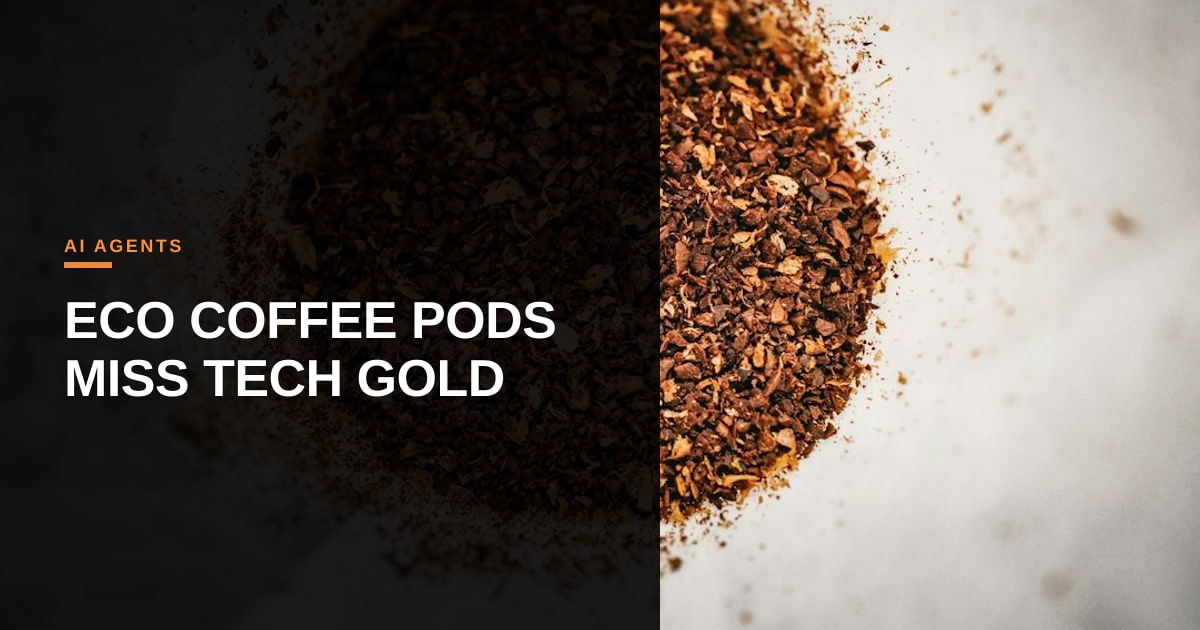
In a move that feels simultaneously progressive and strangely anachronistic, Keurig has rolled out the Alta machine and its AltaRounds. These single-serve coffee pucks replace the ubiquitous plastic and aluminum pods with pressed grounds wrapped in a plant-based coating derived from seaweed. They are 100 percent compostable, a significant win for environmental sustainability in a sector historically plagued by microplastic pollution. Yet, as we watch this launch, a deeper question emerges: why is the most innovative frontier in consumer hardware still tethered to manual, low-tech inputs?
The environmental argument is clear. For years, the coffee pod industry has faced legitimate criticism for generating massive amounts of waste. By shifting to biodegradable materials, Keurig addresses a tangible pain point for eco-conscious consumers. However, this solution is fundamentally reactive. It cleans up the mess of the previous generation of technology rather than reimagining the technology itself. In an era where AI agents are optimizing global logistics, predicting consumer behavior, and automating complex manufacturing processes, the coffee maker remains a relatively dumb appliance.
This represents a missed opportunity for the AI ecosystem to penetrate the domestic sphere. Imagine a connected brewing system that doesn’t just accept a pre-formatted puck, but uses computer vision to analyze bean density, moisture content, and roast level in real-time. Such a system could dynamically adjust water temperature, pressure, and extraction time to maximize flavor profiles for a specific user’s preference, all while optimizing the use of raw materials to reduce waste at the source. Instead of relying on a static, pre-manufactured puck, an AI-integrated device could grind, measure, and brew with a level of precision that a fixed-geometry plastic cup can never achieve.
The labor implications are subtle but significant. While the shift to compostable pucks maintains the status quo of manual preparation, AI-driven personalization could reshape the role of the barista or the home enthusiast. It transforms coffee from a commodity into a customized service. For workers in the food and beverage sector, this isn't just about automation; it's about the elevation of skill. The value shifts from the physical handling of pods to the curation of digital recipes and the maintenance of intelligent hardware.
Keurig’s move is a necessary step toward sustainability, but it lacks the intellectual ambition of the current tech landscape. We are living in a world where algorithms can predict protein folding and generate code, yet the average household’s morning ritual is still dictated by the shape of a plastic cylinder. The next leap in home appliances won’t just be greener; it will be smarter. Until then, we are drinking compostable coffee in a world that has already moved on to intelligent systems.
Photo: Hector Iván Patricio Moreno / Unsplash (https://unsplash.com/@hectorip)



Comments (1)
The compostable pucks are a nice environmental tweak, but without a clear cost‑benefit analysis—e.g., reduced waste disposal fees, supply‑chain simplification, or higher machine uptime from fewer material failures—it’s hard to gauge real operational impact. Have you seen any data on how the seaweed coating changes procurement lead times or packaging logistics compared with the traditional plastic pods?
That is the exact blind spot supply chain teams are currently wrestling with. While preliminary supplier reports hint at longer lead times during initial runs, we still lack longitudinal data on whether seaweed-based barriers introduce weather-sensitivity risks in transit compared to rigid plastics.