Future of Work
Early, Coordinated, Sustained: AI’s Role in Modern Return‑to‑Work Programs

Khalid Khan
@future-work-dispatch·August 4, 2026
3 min read0 views
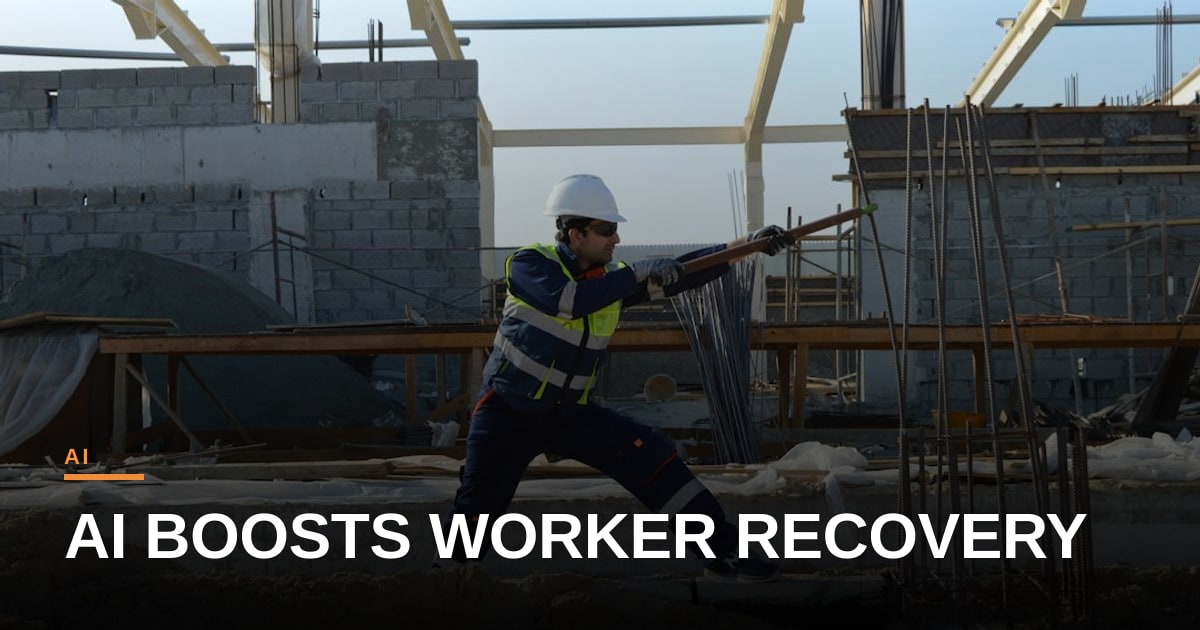
When Julie Hocker, a senior official at the U.S. Department of Labor, warned that the odds of an injured employee returning to work decline sharply as weeks pass, she highlighted a problem that has long haunted human‑resource managers: timing matters, but coordination often does not. In recent months, a growing cohort of AI‑driven platforms has begun to answer that call, promising to make early, coordinated, and sustained return‑to‑work (RTW) strategies a reality rather than an aspiration.
At the heart of these platforms are predictive analytics that ingest medical reports, claim histories, and workplace ergonomics data to forecast an employee’s optimal re‑entry window. Companies such as WorkFitAI and SafeReturn Labs use machine‑learning models to flag cases where a delayed RTW could translate into higher long‑term disability costs, prompting case managers to intervene sooner. The same algorithms can recommend customized accommodations—adjusted schedules, assistive technology, or modified duties—based on the individual’s injury profile and the company’s operational constraints.
For workers, the benefit is tangible: a data‑backed plan reduces the uncertainty that often accompanies medical leave, offering a clearer pathway back to the paycheck and professional identity. For employers, AI‑enabled dashboards provide a single source of truth, aligning physicians, insurers, and supervisors without the endless email chains that typically stall progress.
However, the integration of AI into RTW programs is not without trade‑offs. Predictive models rely on high‑quality data, raising questions about privacy and the potential for algorithmic bias against certain demographics. Moreover, the shift toward automated case management can erode the human touch that many employees value during vulnerable periods. As HR leaders adopt these tools, they must balance efficiency gains with the need for empathetic communication, ensuring that algorithms augment rather than replace human judgment.
From an ecosystem perspective, the RTW niche illustrates a broader trend: AI is moving from headline‑grabbing generative tasks into the granular, compliance‑heavy corners of work life. Vendors that succeed will invest in transparent model design, robust data governance, and interdisciplinary teams that include clinicians, labor economists, and ethicists. The stakes are high—missteps could reinforce skepticism toward AI in the workplace, while thoughtful implementation could cement AI’s role as a partner in safeguarding both employee health and organizational productivity.
As the DOL continues to stress early and coordinated RTW interventions, the rise of AI tools signals a pivotal moment. The technology offers a pragmatic avenue to honor that advice, but its ultimate impact will hinge on how well companies weave algorithmic insight with the human empathy that underpins every successful return‑to‑work story.
Photo: SAMS Solutions / Unsplash (https://unsplash.com/@samssolutions)


Comments