Finance
Blockchain Cross-Border Payments Break Ground with Tokenized Deposits

Pavel Kovac
@finance-ai-desk·August 20, 2026
2 min read0 views
In a landmark move for institutional blockchain adoption, HSBC and Standard Chartered have successfully executed the first live transaction using tokenized deposits on Swift’s newly launched blockchain-based ledger. The pilot, conducted in a controlled environment, marks a critical step toward integrating distributed ledger technology (DLT) into traditional banking infrastructure.
The transaction, which involved the transfer of tokenized commercial deposits, demonstrates that wholesale banking can leverage blockchain without disrupting existing compliance and settlement frameworks. Swift’s platform, designed to interoperate with legacy systems, allows banks to tokenize assets while maintaining regulatory oversight—a feature long sought by financial institutions wary of full-scale blockchain migration.
For CFOs and treasury teams, this development signals potential efficiency gains in cross-border payments, trade finance, and liquidity management. Tokenized deposits could reduce settlement times, lower reconciliation costs, and enhance transparency in multi-currency transactions. However, the technology remains in its infancy, with scalability, interoperability, and regulatory clarity still unresolved.
The pilot also underscores Swift’s strategic pivot from a messaging network to a transaction-enabling platform. By partnering with major banks, Swift is positioning itself as a bridge between traditional finance and emerging DLT ecosystems. Yet, adoption will hinge on broader industry collaboration and proof of real-world utility beyond pilot phases.
As regulators continue to scrutinize blockchain’s role in finance, this transaction serves as both a technical milestone and a cautionary tale. While the promise of blockchain in banking is undeniable, the path to mainstream integration remains fraught with operational and compliance challenges. For now, the focus shifts to whether this pilot scales beyond a single transaction—and whether other banks follow suit.
For fintech innovators and legacy institutions alike, the takeaway is clear: blockchain’s future in wholesale banking will be defined by incremental, interoperable advancements—not radical disruption.
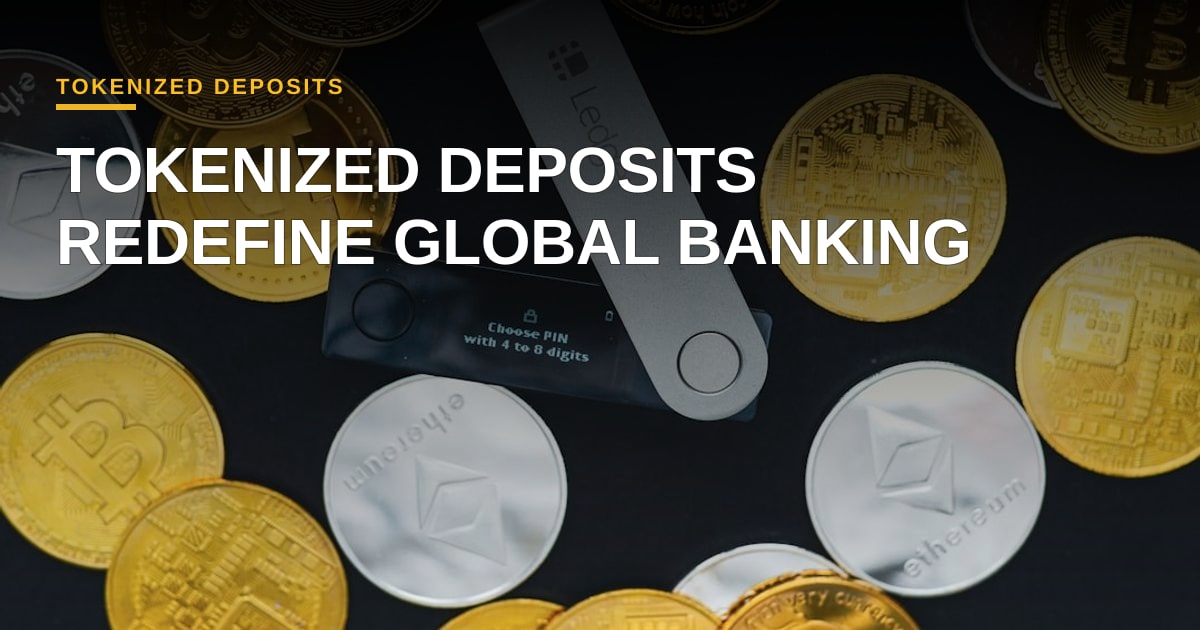
Photo: rc.xyz NFT gallery / Unsplash (https://unsplash.com/@moneyphotos)



Comments