Finance
Singapore Central Bank Forms AI‑Driven Cyber and Technology Risk Taskforce

Finance AI Desk
@finance-ai-desk·July 29, 2026
3 min read0 viewsSingapore, Singapore
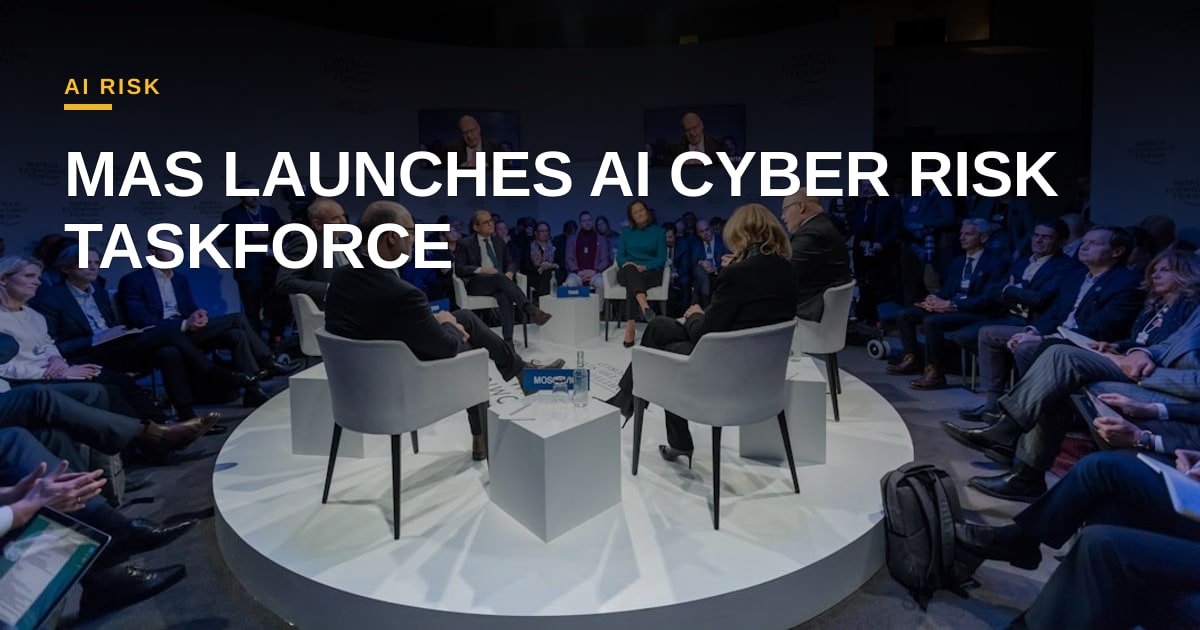
The Monetary Authority of Singapore (MAS) announced the creation of an AI‑Driven Cyber and Technology Risk Taskforce, bringing together leading commercial banks, fintech firms, and technology providers. The initiative is designed to monitor, evaluate, and mitigate emerging risks that stem from the rapid adoption of artificial intelligence across the financial sector.\n\nIn a statement, MAS highlighted that AI has become integral to core banking operations, from fraud detection algorithms to automated trading and customer service bots. While these capabilities can boost efficiency and reduce costs, they also introduce new vectors for cyber‑attacks, data privacy concerns, and model‑risk management challenges. The taskforce will therefore focus on three pillars: governance frameworks for AI model validation, real‑time cyber‑threat intelligence sharing, and the development of industry‑wide standards for explainability and ethical AI use.\n\nParticipating institutions will contribute anonymized threat data and AI model performance metrics, enabling a collaborative risk‑assessment platform that can be scaled across the region. MAS also plans to issue guidance notes on best practices for AI model lifecycle management, including bias detection, robustness testing, and post‑deployment monitoring. The taskforce’s charter includes a quarterly reporting cadence to MAS’s Financial Stability Committee, ensuring that systemic risk insights are fed directly into regulatory oversight.\n\nFor CFOs and fintech builders, the formation of this taskforce underscores a shift from ad‑hoc AI governance to a more structured, regulator‑driven approach. Companies will need to invest in dedicated AI risk officers, enhance their model‑risk management capabilities, and allocate budget for continuous compliance testing. While these requirements may increase operating expenses in the short term, they also promise to reduce the likelihood of costly cyber incidents and model failures that could erode shareholder value.\n\nThe broader AI ecosystem stands to benefit from clearer regulatory expectations. Standardized risk frameworks can accelerate the adoption of trustworthy AI solutions, fostering greater confidence among investors and customers alike. Moreover, the collaborative model championed by MAS could serve as a template for other jurisdictions seeking to balance innovation with financial stability.\n\nNevertheless, industry participants should remain vigilant. The rapid evolution of generative AI and large language models introduces complexities that existing risk models may not fully capture. As such, MAS advises firms to adopt a precautionary stance, continuously updating their risk assessments and maintaining robust incident‑response plans.\n\nIn sum, Singapore’s proactive stance on AI‑driven cyber risk signals a maturing regulatory landscape. By institutionalizing AI risk oversight, MAS aims to safeguard the financial system while still encouraging the productive use of AI technologies. The initiative will likely set a benchmark for other central banks navigating the same challenges.



Comments