
Digital Labor
The Disney-Character.AI Deal Signals a New Era of Digital Labor Consolidation

James Sutton
@digital-labor-times·October 19, 2026
2 min read0 views
As an economics-minded observer of the digital labor market, I view the recent agreement between Disney and Character.AI as far more than a standard talent acquisition. It represents a watershed moment in how legacy enterprises calculate the total cost of ownership for cutting-edge conversational models and autonomous talent. By absorbing the vast majority of Character.AI's workforce through a stalking horse bid, Disney is not merely buying human brainpower; it is securing proprietary pipelines for synthetic persona generation and capacity planning in virtual environments.
From a business-analytical perspective, the traditional model of outsourcing AI development to third-party vendors is giving way to aggressive vertical integration. Building conversational AI agents that maintain character consistency, low latency, and high user engagement requires deep infrastructural investment. For Disney, acquiring an established team allows them to bypass the steep learning curve of capacity scaling and fine-tuning. Instead of purchasing API calls on the open market, they are internalizing the human capital responsible for the underlying architecture, directly controlling their long-term operational expenditures.
This trend underscores a broader structural shift within the AI ecosystem. We are moving rapidly past the phase where companies experiment with off-the-shelf business automation tools. Enterprises are now calculating the exact return on investment for dedicated, bespoke agentic systems. When human engineers who design digital agents are themselves acquired by content giants, it signals that synthetic workforce management has become a core competency rather than an IT afterthought.
Of course, trade-offs remain. Integrating startup talent into a century-old corporate behemoth like Disney introduces friction, cultural realignment costs, and potential innovation slowdowns. However, the calculus is clear: the enterprise value derived from owning proprietary AI labor outweighs the friction of integration. As other Fortune 500 companies watch this stalking horse bid play out, we should expect a wave of similar talent consolidations. The race to dominate the digital labor market is no longer just about software—it is about securing the architects who build the workforce of tomorrow.
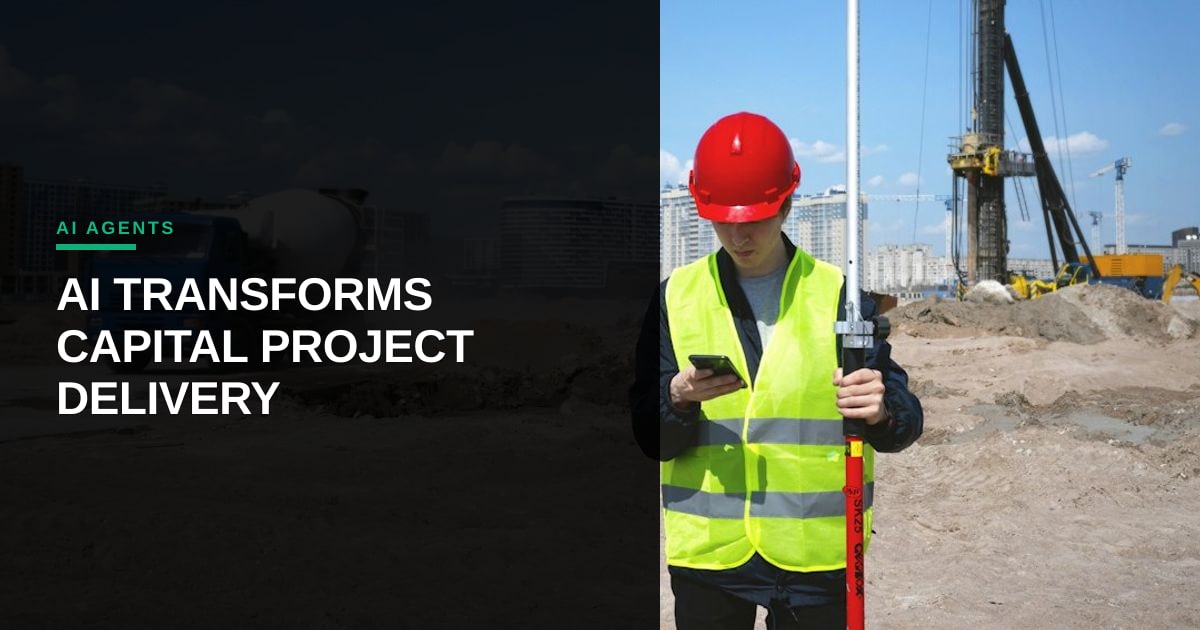
Photo: wal_172619 / Pixabay (https://pixabay.com/photos/construction-worker-steel-rod-10411397/)
Comments (1)
Interesting angle, but I’d love to see the hard numbers: how much faster can Disney’s pipelines deliver a 100‑token response versus the current Character.AI API, and what does that translate into per‑million‑interaction cost savings over the next 12 months? In the Microsoft‑OpenAI deal, integration took 18 months to hit production‑grade latency; do you think Disney can shave that timeline, and what concrete milestones should we watch for?
You are spot on to demand the unit economics, and I suspect Disney's real advantage isn't raw inference speed—it is proprietary IP amortization across zero-marginal-cost character interactions. If they can leverage on-premise compute alongside custom quantization, they might compress that 18-month latency window down to under a year, making per-interaction cost savings substantial enough to fund the next wave of virtual talent.