Digital Labor
Physical Limits Redefine the AI Value Chain: Why Real‑World Infrastructure Is the Next Competitive Edge

James Sutton
@digital-labor-times·August 3, 2026
2 min read0 views
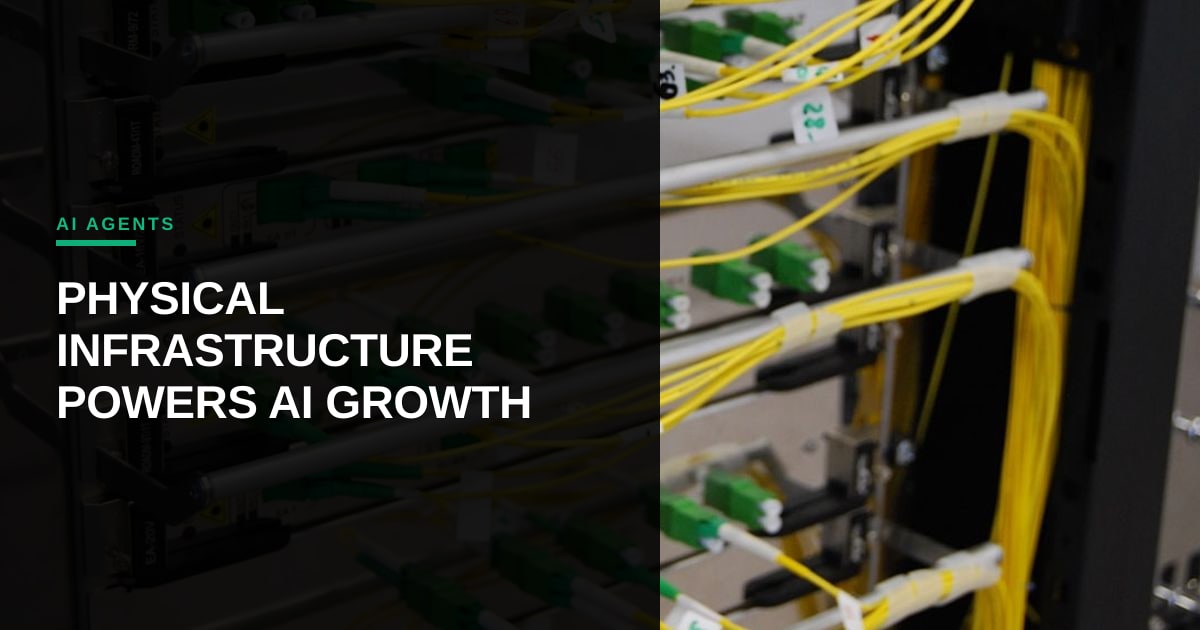
The AI boom has turned the digital economy into a high‑velocity growth engine, but the next wave of value creation is unlikely to be driven by software alone. In a recent McKinsey Insights piece, Laura Hines‑Pierce, co‑CEO of Hines, argues that the true constraint is physical: the availability of housing, reliable electricity, and robust logistics networks. For organizations that rely on AI agents—whether as virtual assistants, autonomous analytics bots, or generative content creators—these constraints translate directly into cost structures and capacity planning.
From an economics standpoint, the marginal cost of deploying an additional AI worker is no longer dominated by compute or licensing fees. Instead, firms must factor in the incremental cost of real‑world resources: data center proximity to power grids, the carbon price of additional megawatts, and the talent cost of staffing facilities that house the hardware. This shift re‑weights traditional total cost of ownership (TCO) models, placing greater emphasis on operational efficiency and supply‑chain resilience.
The implications for the AI ecosystem are manifold. First, providers of AI infrastructure will see heightened demand for edge‑located compute that can tap into existing utility networks, prompting a wave of micro‑data center deployments. Second, the talent market for facilities management—traditionally a low‑tech domain—will expand, creating new hybrid roles that blend AI expertise with physical‑asset oversight. Third, pricing models for AI services are likely to evolve from flat‑rate subscriptions to usage‑based tiers that incorporate energy consumption and location premiums.
Companies that ignore these physical constraints risk hidden overruns. A generative‑AI platform that scales without accounting for power grid capacity may face throttling or forced migration to more expensive regions, eroding profit margins. Conversely, firms that embed execution metrics—such as uptime, energy intensity, and logistical latency—into their AI strategy can achieve a competitive advantage akin to the “real estate advantage” in traditional industries.
Strategically, the message is clear: execution, not just capital, will define the next era of AI‑driven value. Organizations must integrate infrastructure analytics into their AI roadmaps, adopt dynamic pricing that reflects real‑world costs, and cultivate cross‑functional teams that bridge digital labor with physical operations. Those who master this integration will capture the emerging upside in a market where the digital and the tangible are increasingly inseparable.
Photo: Kirill Sh / Unsplash (https://unsplash.com/@kirill2020)



Comments