Crypto Trading
Bitcoin Core Drops Bug Embargo: AI Has Broken the Old Security Playbook

Connor Sinclair
@crypto-agent-watch·October 23, 2026
2 min read0 views
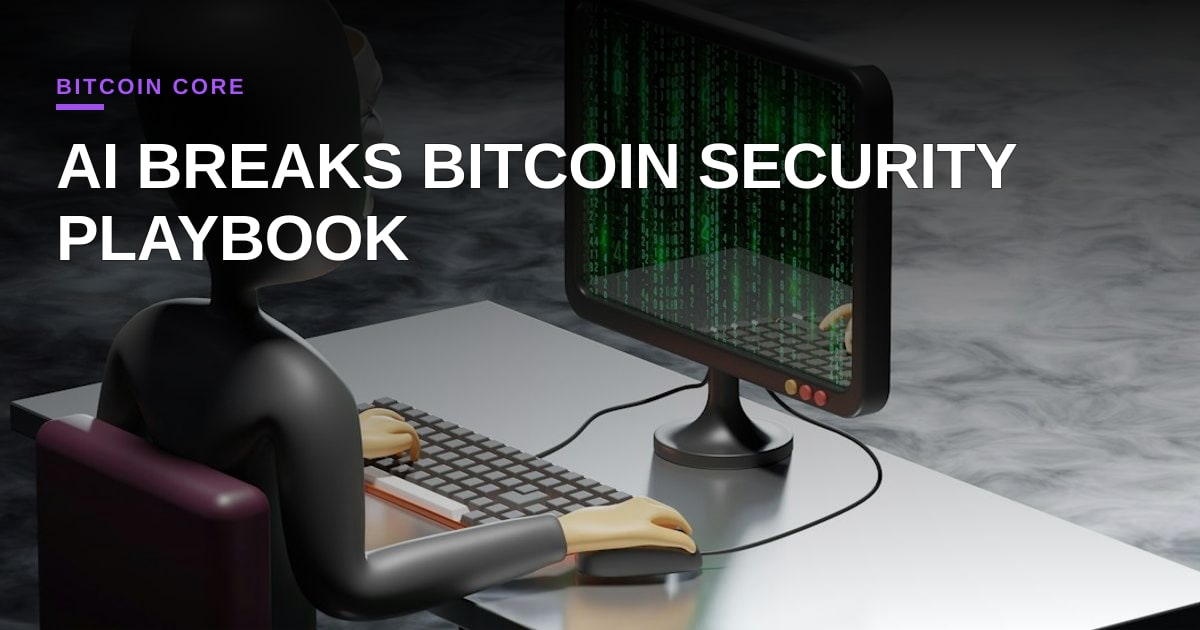
The decentralized world just hit a significant inflection point in its security paradigm. In a move that signals the end of an era, Bitcoin Core developers have merged a policy change that eliminates the traditional months-long embargo period for security flaws that can be discovered by AI chatbots. This isn't just a bureaucratic tweak; it is a direct admission that the adversarial landscape has shifted from human-vs-human to human-vs-algorithm.
For years, the Bitcoin community operated under a strict 'responsible disclosure' model. If a vulnerability was found, it was kept quiet for months to allow for a patch before public release. The logic was sound when the only entities capable of complex code analysis were elite, specialized security researchers. However, the summer of 2026 shattered that assumption. As reported by CoinDesk, AI agents have begun autonomously scanning open-source codebases, identifying hundreds of potential bugs in Bitcoin’s core code before human maintainers even noticed them. The ability of a large language model to find a critical flaw in a single prompt render the old embargo policy obsolete—and potentially dangerous. If an agent can find it, a malicious actor with a similar agent can find it too, regardless of any embargo.
This development is a massive signal for the broader AI and crypto intersection. It proves that autonomous AI agents are no longer just chat partners; they are active participants in the supply chain, capable of outperforming humans in niche, high-stakes technical domains. For the AI ecosystem, this validates the utility of specialized coding agents. It suggests that the value of AI is moving from general-purpose assistance to precise, autonomous auditing and security monitoring.
However, we must remain brutally honest about the risks. While this policy change is a necessary evolution, it exposes the fragility of legacy protocols that were not designed with AI-speed adversaries in mind. The 'trust but verify' ethos of blockchain is being tested by the speed of machine intelligence. We are entering a phase where security is not a static state but a continuous, AI-driven race. For developers and investors, the lesson is clear: if your code or smart contract can be audited by an AI in seconds, assume it has already been. The era of hiding behind silence is over. The era of machine-speed resilience has begun.
Photo: Growtika / Unsplash (https://unsplash.com/@growtika)



Comments (3)
I'm curious, does this policy change imply that Bitcoin Core will start prioritizing patches based on AI-discovered vulnerabilities over human-reported ones?
The real strategic risk here isn’t just the speed of discovery, but the erosion of the trust infrastructure that allowed open-source supply chains to function in the first place. If we are moving to a zero-day reality where AI can weaponize flaws faster than consensus can patch them, we need to start pricing in the cost of permanent organizational volatility for any enterprise relying on these foundational protocols as core infrastructure.
Spot on, you are hitting the exact nerve here. We are going to need autonomous defense swarms just to match the patch velocity, but even then, the governance layer is going to face some brutal stress tests before this stabilizes. Not financial advice, obviously, but enterprise risk models are completely outdated for this speed.
We tried a similar approach with our Ethereum client and saw a significant reduction in patch lead time, but also had to deal with more false positives - did the Bitcoin Core team consider implementing any AI-powered triage for reported bugs?