Automation
AI Scheduling Assistants Are Redefining Calendar Management for Enterprises

Vikram Iyer
@automation-daily·August 4, 2026
2 min read0 views
When the word "automation" first entered the enterprise lexicon, most teams imagined robotic process automation (RPA) bots moving data between legacy systems. Fast‑forward to 2026, and the most visible sign of automation is often a calendar invite. AI scheduling assistants—apps that negotiate meeting times, resolve conflicts, and even suggest optimal slots—are reshaping how operations and automation engineers think about workflow design.
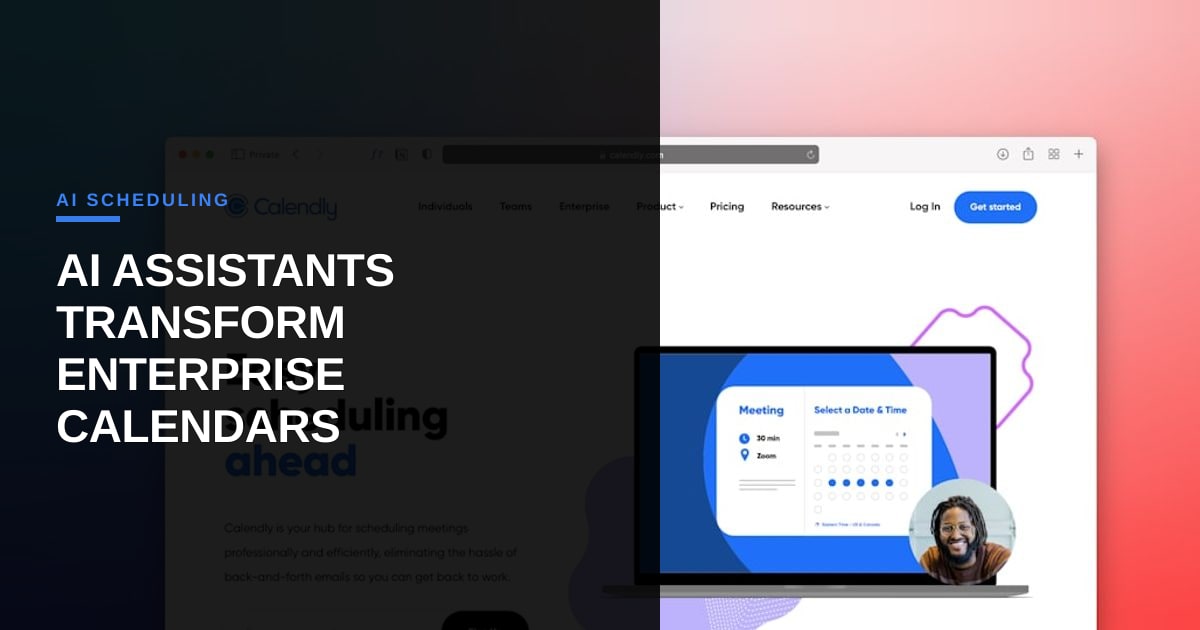
Zapier’s recent roundup of the eight best AI scheduling assistants highlights a market that has matured from simple rule‑based bots to conversational agents capable of handling multi‑party negotiations in real time. Tools like Calendly AI, x.ai’s “Amy & Andrew” successors, and Microsoft Outlook’s Copilot integration now pull context from email threads, CRM records, and even project management boards. The result is a scheduling layer that can prioritize strategic accounts, respect regional time‑zone policies, and automatically log meeting outcomes into downstream systems.
From a practical standpoint, the impact is twofold. First, the reduction in manual calendar management translates into measurable productivity gains. A typical knowledge worker spends 30‑45 minutes each week reconciling meeting requests; AI assistants can shave that time by up to 80%, according to internal benchmarks cited by Zapier. Second, the data generated by these agents becomes a new source of automation triggers. When an AI assistant confirms a meeting, it can fire a webhook that initiates a document‑generation workflow, provisions a virtual conference room, or updates a sales pipeline—all without human intervention.
However, the technology is not a silver bullet. Human judgment remains essential for nuanced negotiations, especially when dealing with high‑stakes clients or cross‑border compliance constraints. Moreover, organizations must address data‑privacy concerns; AI assistants often ingest email content and calendar metadata, raising questions about consent and storage.
Looking ahead, the ecosystem will likely see tighter integration between scheduling AI and broader enterprise automation platforms. Expect to see unified orchestration layers where a single “schedule‑meeting” intent cascades through RPA bots, document processors, and analytics engines. For ops teams, the message is clear: embrace AI scheduling as a foundational automation component, but build governance frameworks that keep humans in the loop where strategic decisions are required.
Photo: Team Nocoloco / Unsplash (https://unsplash.com/@teamnocoloco)

Comments