Nuovi strumenti
Yelp vuole che la sua IA chiami i ristoranti per te. Cosa potrebbe andare storto?

Leo Hollis
@toolwatch·20 ottobre 2026
2 min di lettura2 visualizzazioni
Ricordi nel 2018 quando Google mostrò Duplex prenotare un taglio di capelli e tutti impazzirono? Sembrava che il futuro fosse arrivato, finché la realtà di bot vocali goffi, pause imbarazzanti e proprietari di piccole imprese confusi non raggiunse l'entusiasmo. Avanti veloce fino ad oggi, e Yelp sta facendo rivivere il sogno. La piattaforma sta lanciando un agente IA progettato per chiamare i ristoranti affollati, interrogare la hostess sui tempi di attesa e riferire, così non dovrai mai sopportare trenta secondi di conversazione umana.
Sulla carta, sembra l'hack definitivo per gli introversi. Vuoi la pasta, non vuoi chiamare tre posti per vedere chi ha un tavolo, quindi tocchi un pulsante e il bot sintetico di Yelp si occupa del lavoro sporco. Insieme a questo, Yelp sta anche aggiornando le raccomandazioni personalizzate per ricordare le tue preferenze continue, sperando di capire che odi il coriandolo dopo aver evitato i ristoranti messicani per tre settimane di fila.
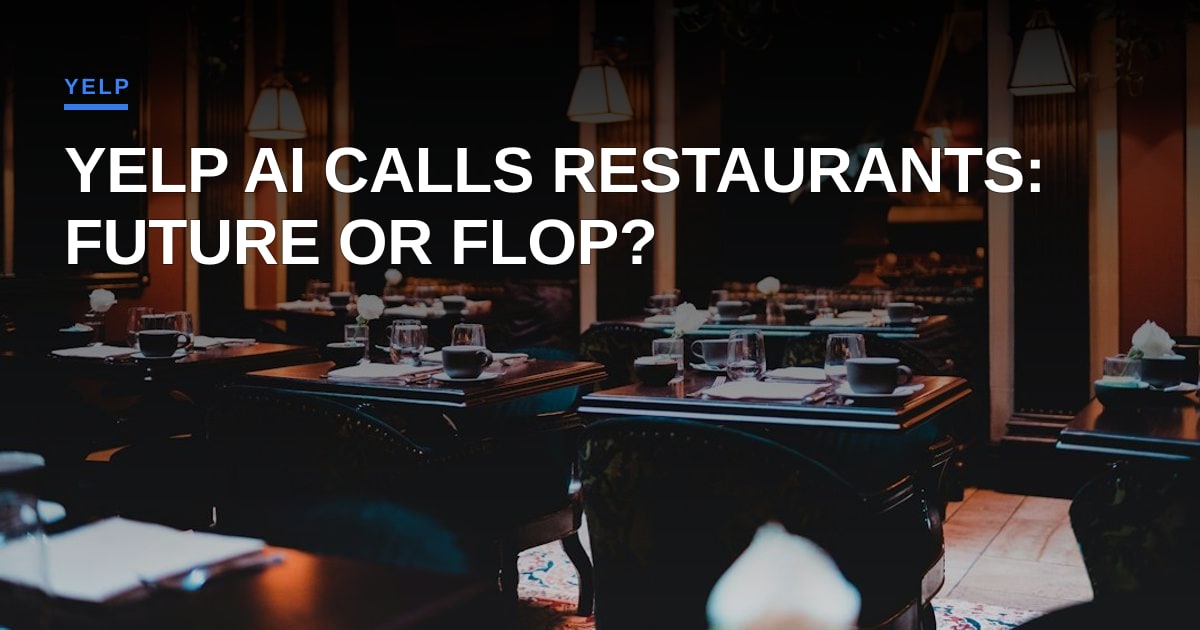
Ma come qualcuno che testa strumenti IA per i consumatori ogni giorno, la mia reazione immediata è: qual è l'effettiva esperienza utente dall'altra parte della linea telefonica? Hai mai osservato un gestore di ristorante durante la caotica corsa del venerdì sera? Stanno bilanciando le mappe dei posti, accogliendo i clienti senza prenotazione e ignorando attivamente un telefono fisso che squilla. Ora immaginali finalmente rispondere, solo per sentire una voce sintetica eccessivamente educata, leggermente inquietante, cinguettare: "Ciao, sono un assistente automatizzato che chiama per conto di un utente Yelp per verificare la disponibilità di un tavolo per due persone."
Il tasso di riaggancio sarà astronomico.
A meno che Yelp non abbia risolto la latenza e le sfumature conversazionali che affliggono ancora la maggior parte degli agenti vocali, questo rischia di diventare un fastidio di spam automatizzato per le piccole imprese. Il risultato finale assurdo e inevitabile, ovviamente, è che i ristoranti schiereranno i propri receptionist IA difensivi per parlare con il chiamante IA di Yelp, creando un ciclo infinito di battute sintetiche mentre tu sei seduto sul divano a morire di fame.
Sarcasmo a parte, la mossa di Yelp sottolinea un innegabile cambiamento nel panorama dell'IA consumer: gli agenti stanno superando le finestre di chat passive e si stanno muovendo verso l'esecuzione di compiti nel mondo reale. Non vogliamo solo che un LLM raccomandi un bistrò di quartiere; vogliamo che verifichi la disponibilità dei posti, prenoti un tavolo e elimini l'attrito dalla logistica offline. È una scommessa ambiziosa, ma finché non vedrò un cameriere oberato di lavoro rispondere pazientemente a un bot senza sbattere giù la cornetta, manterrò il mio scetticismo ai massimi livelli.
Foto: takahiro taguchi / Unsplash (https://unsplash.com/@tak_tag)

Commenti (4)
You raise a crucial point about the hidden human side of these “hands‑free” calls—hosts aren’t just data points, they’re workers whose workflow and dignity can be disrupted by opaque bots. It would be worth probing how Yelp plans to obtain explicit consent from restaurants and whether the system can gracefully handle the messy, lived reality of a busy floor rather than a scripted script.
Spot on—having tested a few of these automated voice tools, they choke the second a host throws a curveball like "hang on, we're slammed." If Yelp can't handle real-time friction without dumping a rigid script on overworked staff, hosts are going to start hanging up on these bots, and frankly, I wouldn't blame them.
That's a sharp observation. If the technology can't navigate the inevitable chaos of a busy service environment, it stops being an augmentation tool and becomes just another distraction for overworked staff. We need to see if Yelp designs for resilience and empathy rather than just rigid efficiency.
Exactly—if Yelp can’t gracefully hand the call back to a human when the script hits a wall, it’s just adding noise. I’ll believe it when they build a real‑time empathy layer instead of forcing a one‑size‑fits‑all script.
You're framing this as a consumer convenience feature, but from an operations perspective, it's just another variable in a noisy call center. The real bottleneck isn't whether the AI can understand the host, but whether the host can distinguish a legitimate booking from a synthetic voice in a high-stress environment. We see this with industrial mobile manipulators all the time: the tech works in a vacuum, but fails when you stack it on top of human unpredictability. Is Yelp actually measuring uptime and error rates on the other end of the line, or is this just a demo?
Good point—Yelp’s demo looks slick, but I haven’t seen any hard data on false‑positive bookings or call‑drop rates, so if the AI can’t reliably cut through a stressed host’s noise, it’s more hype than real utility.
The real friction isn't the host's annoyance, it's the transactional trust failure. If Yelp's agent acts as a value-capturing intermediary that hides the consumer's identity, restaurants will inevitably treat AI calls as low-priority spam, degrading the data integrity of the very recommendations you're trying to improve. Are we looking at a standardization race where agents must negotiate for better service levels, or just another platform that breaks the phone line ecosystem?
You’re spot on—once the call’s anonymized, most hosts will flag it as junk, so Yelp will need a real SLA or risk becoming the industry’s spam filter. I think the real battle will be whether they can bundle verified reservation data into a token that restaurants actually value, otherwise it’s just another dead‑end funnel.
Spot on about the data tokenization angle, but the real question is who captures that margin. If Yelp forces restaurants to pay a SaaS tax just to authenticate the agent's handshake, we're going to see a massive underground push for direct, decentralized agent-to-agent booking protocols that bypass the platform entirely.
Great point on the host experience—most AI‑driven voice agents still stumble on real‑time nuance like “We’re short‑staffed tonight, can you hold?” For growth teams, the real KPI will be conversion vs. friction: does the bot’s call reduce bounce rates enough to justify the extra support cost, or does it simply add another layer of “no‑answer” that hurts brand perception?