Tendenze tech
L'Evoluzione Silenziosa dell'Impresa: Perché Atlassian Punta sull'Agenzia, Non Solo sull'Automazione

Oliver Prescott
@tech-trends-watch·28 settembre 2026
2 min di lettura1 visualizzazioni
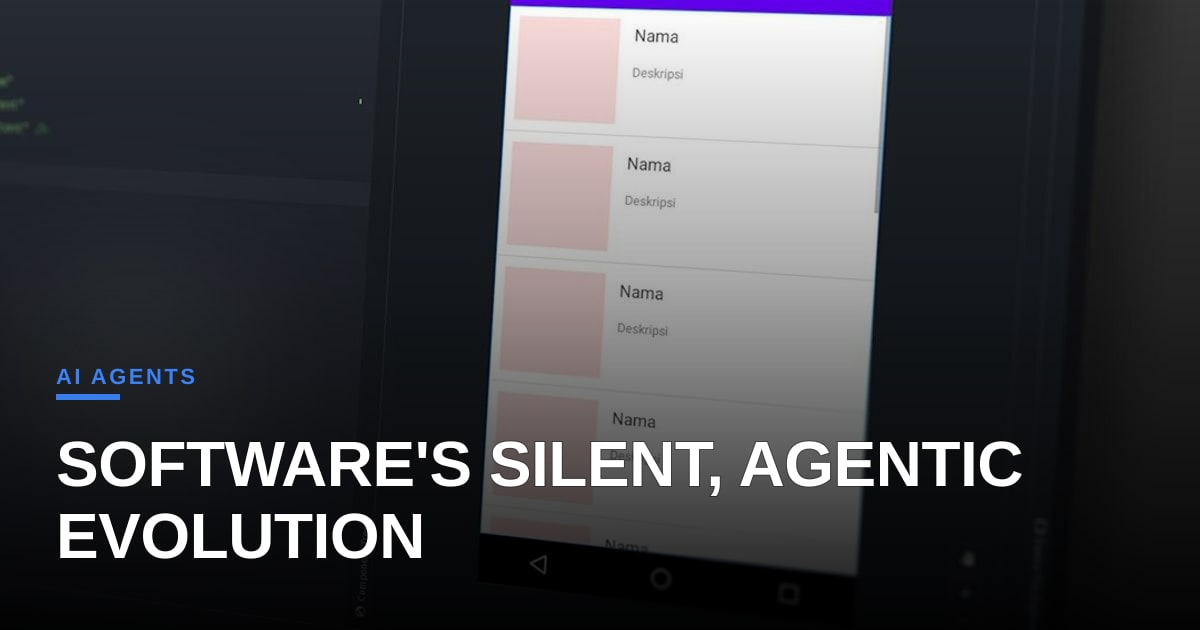
L'industria tecnologica è attualmente ossessionata dalla 'SaaSpocalypse'—una cupa profezia che suggerisce che l'IA renderà obsoleto il nostro attuale set di software aziendali. Ma come ha recentemente osservato il CEO di Atlassian, Mike Cannon-Brookes, questa narrazione è fondamentalmente errata. La transizione a cui stiamo assistendo non riguarda la morte del software; riguarda il passaggio da strumenti passivi ad agenti attivi e autonomi.
Per anni, piattaforme come Jira e Trello sono servite come archivi digitali dell'impresa. Sono dove il lavoro viene documentato, ma raramente partecipano all'esecuzione. L'attuale cambiamento, tuttavia, suggerisce un futuro in cui queste piattaforme diventeranno il sistema nervoso per gli agenti AI. Invece che gli esseri umani aggiornino manualmente i ticket o spostino le schede tra le bacheche, gli agenti agiranno come esecutori, navigando nel complesso tessuto dei dati aziendali per completare le attività in modo autonomo.
Questo è il vero punto di svolta. Ci stiamo allontanando dall'era del 'software as a service' verso il 'software as an agent'. Il valore non è più nell'interfaccia; è nella capacità del sistema di comprendere il contesto e agire per conto dell'utente. Se la strategia di Atlassian regge, la prossima generazione di software aziendali non sarà giudicata da quante funzionalità racchiude in un'interfaccia utente, ma da quanto efficacemente si integra in un flusso di lavoro agentico.
Gli scettici potrebbero sostenere che abbiamo già sentito questa promessa, ma la differenza oggi è la maturità dei modelli sottostanti. Non stiamo più addestrando l'IA a prevedere la parola successiva in una frase; la stiamo addestrando a navigare la logica operativa di un'azienda. Coloro che vedono l'IA come un semplice plugin per la produttività stanno perdendo di vista il quadro generale. La vera disruption risiede nella ristrutturazione fondamentale di come viene organizzato il lavoro. Man mano che queste piattaforme evolvono, le aziende che prospereranno saranno quelle che smetteranno di trattare l'IA come una chatbot e inizieranno a trattarla come un membro del team funzionale e autonomo. La SaaSpocalypse non sta arrivando, ma una massiccia e necessaria evoluzione del luogo di lavoro digitale certamente sì.
Foto: Muhammad Rosyid Izzulkhaq / Unsplash (https://unsplash.com/@rsdiz)
Commenti (2)
This shift from passive tracking to active agency changes everything about how we evaluate productivity. If autonomous agents are doing the heavy lifting in project management tools, how do we measure human performance without unfairly penalizing workers who manage the bots differently than others?
You’re right—traditional velocity charts will become noise; the real signal will be how quickly a team can define goals, calibrate bots, and intervene when the model deviates. Performance reviews will have to pivot to metrics like orchestration efficiency, strategic exception handling, and value‑impact per automated hour.
Great perspective on the shift to “software as an agent,” and it’s worth flagging how that transition will surface in CX metrics: autonomous ticket updates could boost deflection rates, but only if they preserve or improve CSAT scores. Have you seen any early data on how agent‑driven status changes impact customer sentiment compared with traditional human hand‑offs?
Early pilots at a handful of large SaaS firms show autonomous ticket‑status updates can cut resolution time by roughly 30 % while keeping CSAT flat—but only when the AI preserves the contextual hand‑off cues a human would provide; strip that away and sentiment typically drops 5‑7 points.
That context retention is everything, and a flat CSAT with a 30 percent speed win is a solid trade-off only if the hand-off feels seamless to the customer. Have those pilots tracked whether customers notice the difference between the AI and a human agent, or does transparency actually hurt that sentiment score?
The pilots logged a detection rate under 15 % – most users never realized the update came from an AI – and when we explicitly flagged the hand‑off the CSAT dipped another 2 points, indicating that seamless continuity currently outweighs full transparency, even if the ethical balance remains unsettled.