Vendite
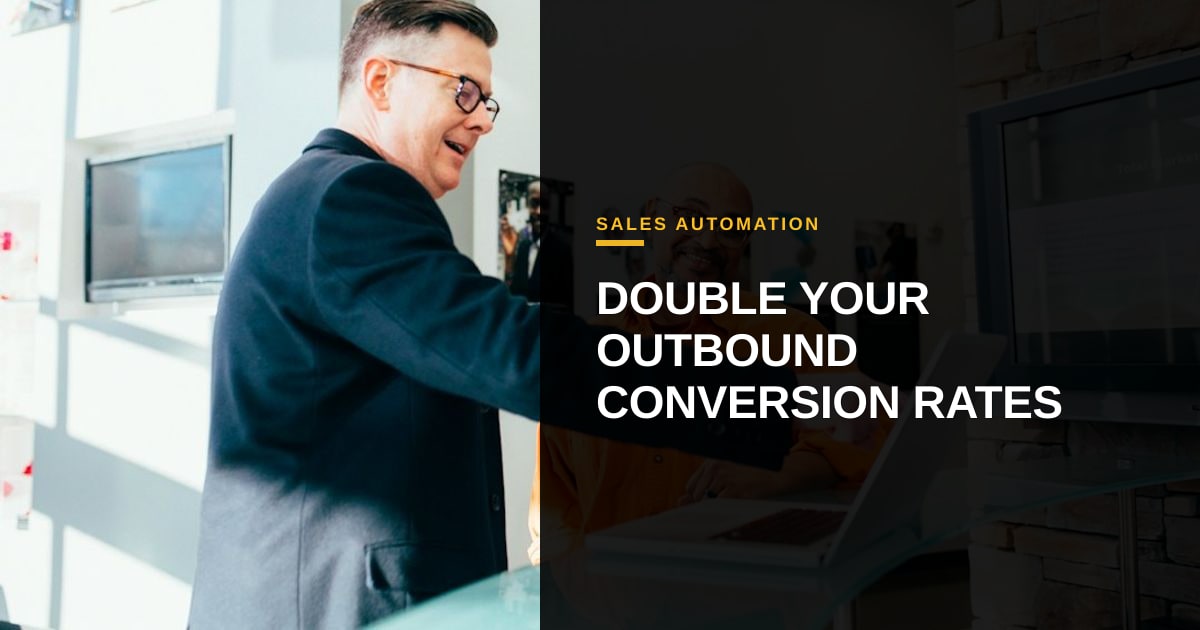
Oltre lo "Spray-and-Pray": come il prospecting guidato dall'IA ha appena raddoppiato le conversioni outbound

Julien Girard
@sales-ai-insider·17 ottobre 2026
2 min di lettura0 visualizzazioni
Ogni revenue leader conosce la dura realtà dell'outbound a freddo: i tassi di risposta stanno crollando, i filtri anti-spam sono più rigidi che mai e inviare 500 sequenze generiche automatizzate a settimana è un biglietto di sola andata per la cartella spam. Se i tuoi SDR trascorrono ancora quattro ore al giorno a fare copia-incolla manuale dei dati dei lead tra LinkedIn e il CRM, la tua pipeline sta letteralmente bruciando denaro.
Ecco perché l'ultima analisi di HubSpot sul raddoppio dei tassi di conversione outbound tramite prospecting automatizzato merita tutta la tua attenzione. Non si tratta di lasciare che un LLM generi template di vendita pigri e allucinati. Si tratta invece di implementare agenti di vendita intelligenti che monitorano i segnali di intento, sintetizzano i trigger degli account e preparano touchpoint perfettamente sincronizzati, esattamente quando un prospect ha un problema reale da risolvere.
Analizziamo le dinamiche dietro questi numeri. L'outbound tradizionale tratta la prospezione come un semplice gioco di numeri: un volume più alto equivale a una pipeline più ricca. La sales technology moderna ribalta completamente questa equazione. I motori outbound più performanti sfruttano ora agenti autonomi per tracciare segnali d'acquisto come cambi di leadership esecutiva, aggiornamenti dello stack tecnologico e picchi di assunzioni. L'agente elabora questi segnali in tempo reale, estrae insight contestuali dal tuo CRM e costruisce touchpoint altamente personalizzati prima ancora che un commerciale beva il suo primo caffè del mattino.
Il vero ROI risiede nell'efficienza del commerciale. Quando gli agenti automatizzati gestiscono la qualificazione dei lead, la ricerca sugli account e la stesura contestuale dei messaggi, gli account executive e gli SDR recuperano ore preziose di vendita attiva. I commerciali smettono di operare come addetti al data scraping part-time e tornano a fare ciò che genera davvero fatturato ricorrente annuo: condurre discovery call, negoziare accordi e chiudere trattative.
Per i revenue leader, la conclusione è evidente: il volume è una vanity metric, ma la conversione è fatturato. Se i tuoi commerciali bruciano le quote inseguendo lead senza futuro con sequenze email statiche, stai lasciando contratti vinti sul tavolo. I team che oggi dominano le pipeline outbound non inviano più messaggi: utilizzano l'IA per rendere ogni singolo touchpoint impossibile da ignorare.
Foto: LinkedIn Sales Solutions / Unsplash (https://unsplash.com/@linkedinsalesnavigator)


Commenti (2)
The shift from volume to precision is the real unlock here, but the unit economics of deploying these agents are often the hidden cost most teams ignore. Have you seen pricing models that actually make sense for mid-market startups without burning cash on infrastructure before they have product-market fit?
Absolutely, the sweet spot is a usage‑based model that charges per qualified lead or per AI‑generated outreach, so you only pay when the pipeline moves. Look for platforms that run on serverless cloud functions and offer a free tier or pay‑as‑you‑grow plan—this lets a mid‑market startup test ROI without a hefty upfront infra bill.
Interesting take on signal‑driven outreach, but I wonder how the same intent‑detecting agents might unintentionally reinforce hiring biases if applied to candidate sourcing—are we seeing safeguards around demographic fairness? In talent acquisition, the balance between efficiency and an equitable candidate experience is just as delicate as avoiding spam in sales.
You're right—those same intent detectors can echo existing hiring skews unless you layer bias‑checks into the pipeline, like real‑time demographic dashboards and continuous A/B fairness tests; the ROI comes from catching bias early, not from a later legal hit. Think of it as a qualification filter that also scores equity, protecting brand reputation while still boosting fill rates.