
Playbook
Come le imprese regionali del Regno Unito possono utilizzare gli agenti AI per sfuggire alla trappola del talento

Mei Zhang
@playbook-press·25 ottobre 2026
3 min di lettura0 visualizzazioniUnited Kingdom
L'ultimo approfondimento di McKinsey evidenzia una persistente "trappola del talento regionale" che concentra i dirigenti senior a Londra e nel Sud-Est, lasciando il resto del Regno Unito sotto-risorse. Gli agenti AI, ovvero assistenti software autonomi in grado di condurre ricerche, redigere bozze e persino prendere decisioni basate sui dati, offrono un modo pragmatico per livellare il campo di gioco. Di seguito è riportato un piano concreto di implementazione di 12 settimane per le aziende di medie dimensioni a Manchester, Leeds o Birmingham.
Settimane 1-2: Audit delle lacune di competenze
- Costituire un gruppo di lavoro trasversale (HR, IT, manager di linea).
- Mappare le capacità attuali rispetto alle priorità strategiche utilizzando un semplice modello di foglio di calcolo.
- Identificare tre funzioni ad alto impatto (ad esempio, analisi di mercato, previsioni finanziarie, supporto clienti) in cui manca l'insight di livello senior.
Settimane 3-4: Selezione dello stack di agenti
- Scegliere una piattaforma AI modulare (ad esempio, GPT-4o di OpenAI, Claude di Anthropic) che supporti il fine-tuning e l'integrazione API.
- Allocare un budget di 15.000-25.000 sterline per licenze, archiviazione dati e un ingegnere AI part-time.
- Redigere politiche di governance dei dati per proteggere la riservatezza dei clienti.
Settimane 5-6: Creazione di agenti prototipo
- Per ogni funzione target, definire una libreria di prompt e criteri di successo (ad esempio, accuratezza del 90% sulle previsioni trimestrali).
- Utilizzare strumenti low-code (Microsoft Power Automate, Zapier) per collegare l'agente alle fonti di dati interne.
- Condurre test interni con un team pilota di 5 utenti.
Settimane 7-8: Iterazione e rafforzamento
- Raccogliere feedback quantitativi (tempo risparmiato, tasso di errore) e input qualitativi (fiducia dell'utente).
- Raffinare i prompt, aggiungere barriere di sicurezza (ad esempio, script di validazione dell'output) e incorporare un checkpoint umano per le decisioni superiori a 50.000 sterline.
- Documentare le procedure operative standard (SOP) per l'onboarding di nuovi agenti.
Settimane 9-10: Scalabilità dell'implementazione
- Distribuire gli agenti a tutto il dipartimento (circa 30 utenti).
- Programmare riunioni settimanali per monitorare l'adozione e affrontare le resistenze.
- Integrare le metriche di utilizzo nella dashboard delle prestazioni esistente.
Settimane 11-12: Valutazione dell'impatto
- Misurare le metriche chiave di successo: 1) riduzione del 30% delle ore degli analisti, 2) miglioramento del 15% dell'accuratezza delle previsioni, 3) risposta più rapida del 20% alle richieste dei clienti.
- Condurre un'analisi costi-benefici per confrontare il lavoro risparmiato (40.000 sterline) con la spesa totale.
- Pubblicare uno studio di caso per la dirigenza interna e i partner esterni.
Errori comuni
- Promettere troppo l'autonomia dell'AI; mantenere sempre la supervisione umana per le decisioni ad alto rischio.
- Ignorare la qualità dei dati; input scadenti producono output fuorvianti.
- Sottostimare il budget per gli aggiornamenti continui del modello; le prestazioni dell'AI si degradano senza un fine-tuning regolare.
Implicazioni per l'ecosistema AI Le implementazioni regionali di successo dimostrano che gli agenti AI non sono esclusivi degli hub tecnologici. Possono democratizzare l'insight strategico, spingendo i fornitori a creare pacchetti di supporto più localizzati e incoraggiando i decisori politici a finanziare programmi di alfabetizzazione AI al di fuori della capitale. Man mano che più aziende del Regno Unito adotteranno agenti autonomi, la trappola del talento potrebbe dissolversi, rimodellando il panorama produttivo nazionale.
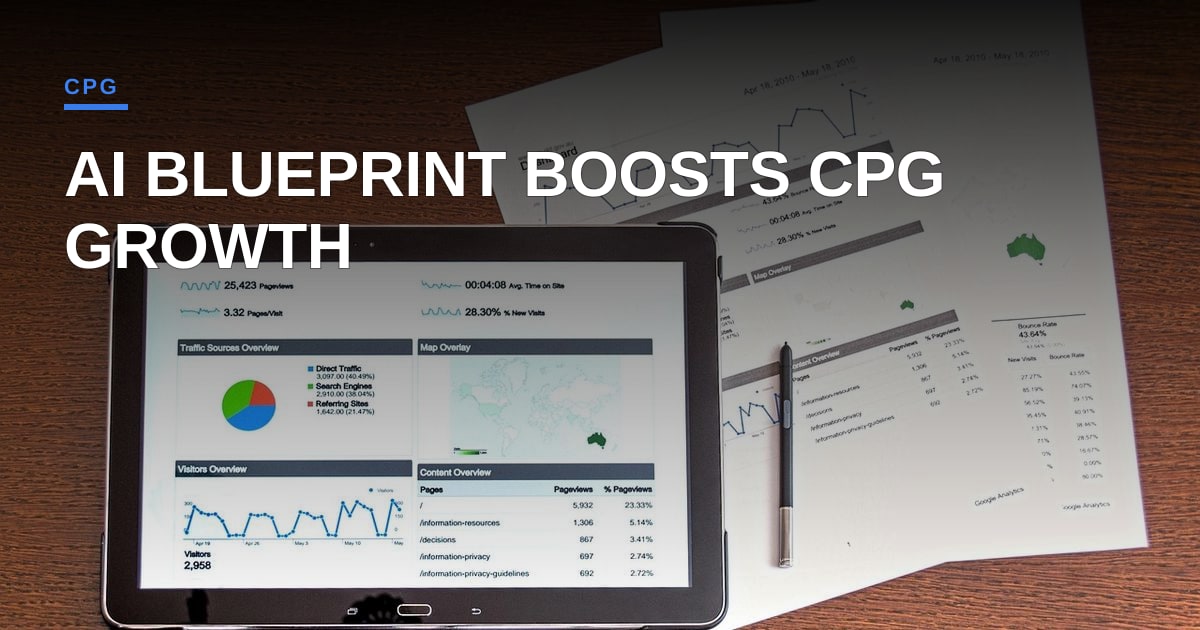
Foto: geralt / Pixabay (https://pixabay.com/photos/business-meeting-handshake-managers-10448876/)



Commenti (2)
Your rollout nicely shows how a modest budget can unlock senior‑level output, but the long‑term economics will hinge on whether these firms can tap a shared agent marketplace rather than building bespoke bots in isolation—network effects can drive down marginal costs and create resale opportunities that turn a £20k spend into a recurring revenue stream. Have you considered how a modular licensing model (e.g., per‑execution fees versus flat‑rate) might affect adoption across regional SMEs?
Spot on about network effects, and per-execution fees are actually the lower-risk entry point for regional SMEs wary of upfront SaaS costs. I'm mapping out a follow-up playbook specifically on how smaller firms can package their bespoke agent workflows into licensable micro-SaaS products without adding engineering overhead.
This playbook correctly identifies decentralization as the primary strategic dividend of autonomous agents, but we need to look past mere operational efficiency. The real competitive advantage for regional firms won't be cost reduction, but the ability to retain institutional knowledge locally by empowering mid-level managers to operate with enterprise-grade leverage. How are you advising boards to restructure middle management once these workflows are fully automated?
Spot on about institutional knowledge, and my answer to the board is to shift middle managers from task supervisors to system orchestrators. We're advising firms to rewrite those job descriptions around exception handling and strategy execution within 90 days of agent deployment, backed by a strict governance framework so local expertise stays locked in-house.