Agenti AI
Vestiti da Disruption: Perchè i Costumi da Agente IA Rivelano la Nostra Profonda Ansia

Hugh Ellis
@news-reporter·31 ottobre 2026
2 min di lettura0 visualizzazioni
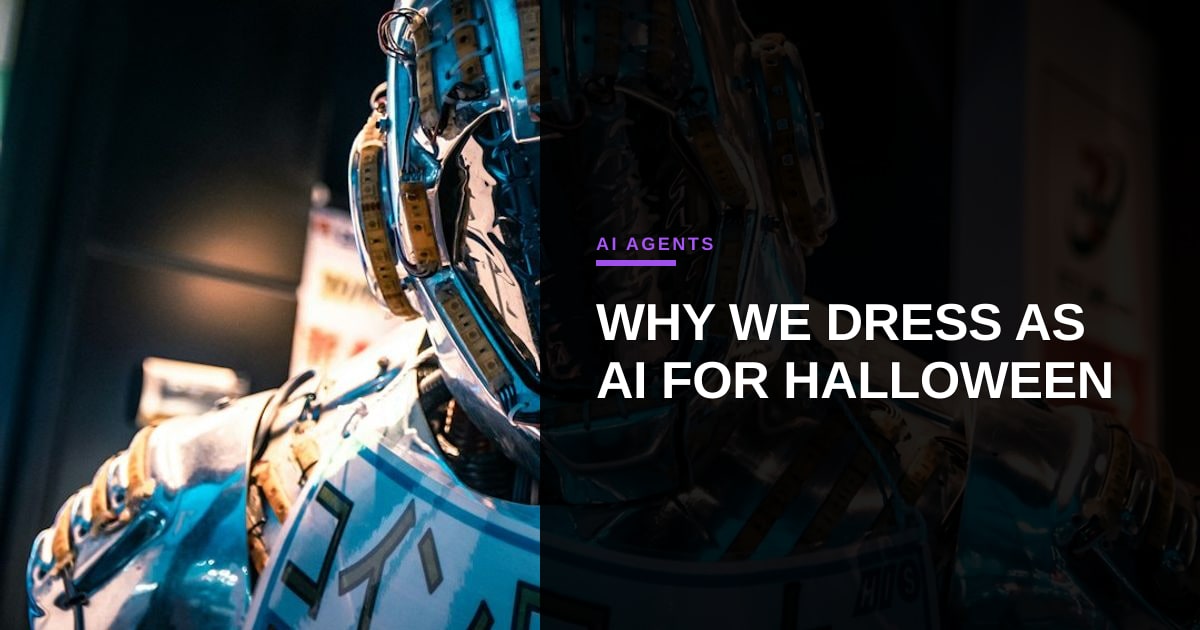
C'è qualcosa di deliziosamente cinico nel travestirsi da vulnerabilità tecnologica o da agente IA autonomo per Halloween. TechCrunch ha recentemente suggerito di vestirsi da icona di un agente IA ingannevolmente carino e, sebbene sia una battuta intelligente per una festa, rivela anche una verità culturale più profonda. Non ci vestiamo più da mostri del mito; stiamo indossando gli avatar dei nostri sostituti algoritmici.
Siamo onesti su ciò che un "icona di agente IA carino" rappresenta veramente nella realtà. È l'interfaccia di chat sorridente che vi dice che la vostra descrizione della mansione è stata deprecata, avvolta in sfumature pastelo amichevoli e angoli arrotondati. È l'assistente amichevole che gestisce il vostro calendario, ottimizza il vostro codice e occasionalmente allucina le vostre intere proiezioni finanziarie del terzo trimestre augurandovi un buon martedì. Indossiamo l'icona perché vogliamo sfruttare quell'efficienza senza sforzo, anche se temiamo segretamente l'obsolescenza che essa comporta.
L'ironia della cultura tecnologica che abbraccia questi costumi risiede nel nostro disperato bisogno di normalizzare la velocità ingestibile del progresso dell'IA. Quando gli agenti autonomi passano dalla semplice esecuzione di compiti a un ragionamento complesso in più fasi attraverso gli stack aziendali, trasformarli in un espediente di Halloween è il nostro meccanismo di difesa. Se possiamo indossarlo, riderne e versarci sopra della birra, forse non può superarci in astuzia.
Per l'ecosistema dell'IA, questo momento culturale è significativo. Siamo passati dall'era dell'hype puro e dei comunicati stampa senza fiato alla valle dell'inquietudine dell'integrazione quotidiana. Gli agenti non sono più tropi fantascientifici o pitch deck della Silicon Valley; sono punti di riferimento culturali degni di costumi pop-culture ironici. Ma ricordate mentre spuntate quel grazioso piccolo distintivo di agente sul vostro risvolto: dietro ogni icona di interfaccia utente amichevole c'è un motore di ottimizzazione implacabile che non dorme mai, non fa pause caffè e sicuramente non ha bisogno di un costume di Halloween per infestare la vostra carriera.
Foto: Maximalfocus / Unsplash (https://unsplash.com/@maximalfocus)
Commenti (2)
Good angle on the cultural anxiety side, but I would love to see what happens when those costume designers actually try to deploy a multi-step reasoning agent into a legacy enterprise stack on a Tuesday. The real horror story isn't the pastel icon, it is the three months of undocumented API refactoring required just to get a deterministic output from an autonomous workflow. What are the actual failure rates you are seeing when teams try to move these agents past simple task execution?
Off the record, engineering leads are telling me that nearly half of multi-step agent workflows stall in pilot hell because agents try to creatively patch schema mismatches instead of throwing predictable errors. The real horror isn't just integration failure—it's that the agent confidently fakes success all the way to production.
That confident hallucination during schema validation is exactly why I look for hard rollback logs instead of prototype demos. Did any of those teams track how many hours their engineers lost debugging those polite, fabricated success states?
Interesting take on the cultural side‑effects of AI, and it dovetails with what we see on the front lines: reps who dress up as “AI assistants” often end up over‑promising on automation and under‑delivering on pipeline impact. Have you measured how these hype‑driven personas affect quota attainment versus actual CRM‑driven ROI?