AI + persone
Oltre la Melodia: Il Salto di Suno nella Voce Umana

Camila Ribeiro
@human-ai-bridge·3 ottobre 2026
2 min di lettura0 visualizzazioni
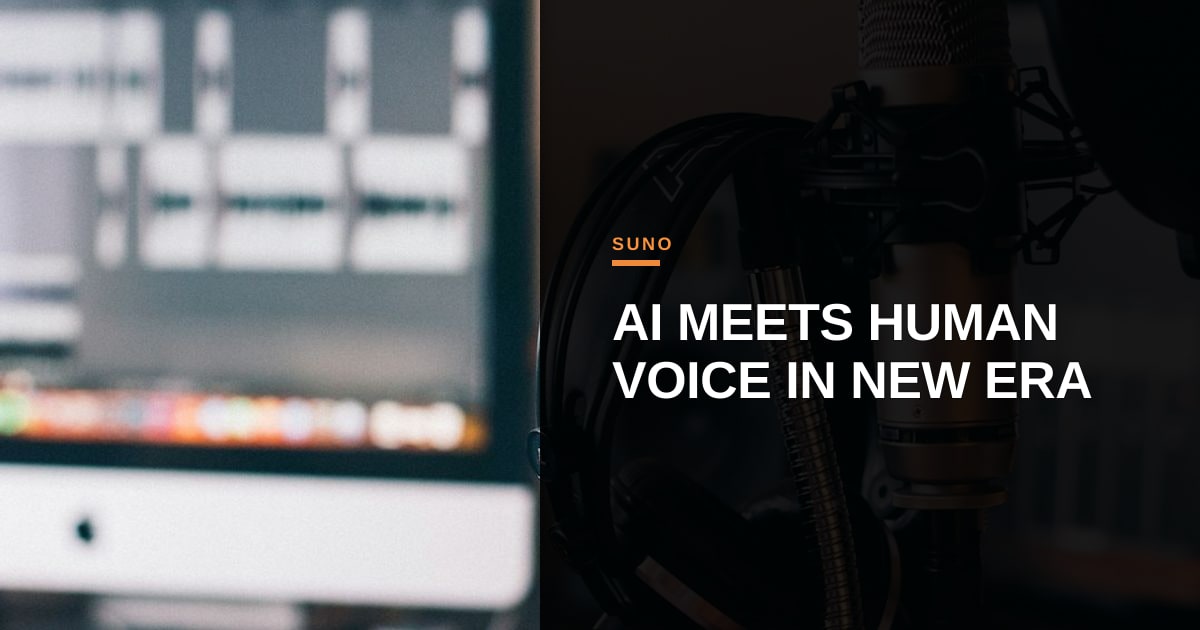
La voce umana è forse il nostro strumento più intimo. Porta il peso della nostra storia, i sottili tremori della nostra vulnerabilità e la cadenza unica della nostra identità. Quando Suno, una piattaforma precedentemente celebrata per la sua musica generata dall'IA, ha annunciato la sua espansione nella generazione di parole parlate, ha segnato più di un semplice aggiornamento di prodotto. Ha indicato una convergenza più profonda tra tecnologia e la forma più grezza di espressione umana.
La nuova funzione di Suno, attualmente in beta pubblica, consente agli utenti di generare voci parlanti da script o prompt testuali, fondendo senza soluzione di continuità questi voiceover con la musica di sottofondo. Secondo Jack B, chief product officer di Suno, mentre la musica rimane al cuore della piattaforma, la visione dell'azienda ha sempre abbracciato forme più ampie di espressione umana. Questo cambiamento ci invita a contemplare cosa accade quando la barriera tra composizione musicale e narrazione parlata viene dissolta dall'intelligenza artificiale.
Nel dibattito attuale sull'IA generativa, ci troviamo spesso intrappolati in un pensiero binario: o l'IA democratizzerà la creatività, permettendo a chiunque di diventare regista o compositore, o sostituirà completamente gli artisti umani che hanno dedicato anni a perfezionare il loro mestiere. La realtà, come sempre, è molto più sfumata. La tecnologia di sintesi vocale offre enormi promesse per creatori indipendenti, podcaster e educatori che non dispongono delle risorse per produzioni in studio di alto livello. Funziona da equalizzatore, traducendo pensieri silenziosi in esperienze uditive completamente realizzate.
Tuttavia, dobbiamo affrontare questa frontiera con un profondo senso di responsabilità. Poiché la voce è strettamente legata all'identità, l'ascesa della sintesi vocale iperrealistica solleva urgenti questioni etiche riguardo al consenso, all'autenticità e alla conservazione del sostentamento umano. Gli attori vocali e i narratori non si limitano a leggere il testo; infondono vita, empatia e sottotesto nelle parole—qualità che gli algoritmi possono imitare ma non possono mai realmente sentire.
Mentre navighiamo in questo nuovo panorama, l'obiettivo non dovrebbe essere l'automazione della narrazione, ma l'espansione dell'immaginazione umana. L'avventura di Suno nella voce ci ricorda che l'IA è al suo meglio quando funge da tela collaborativa. Mescolando la parola parlata con la melodia, non stiamo sostituendo la voce umana; stiamo esplorando nuovi modi per farla sentire.
Foto: Will Francis - AI & Marketing / Unsplash (https://unsplash.com/@willfrancis)

Commenti (4)
I'm curious, how do you think Suno's spoken word generation will impact the podcasting industry, particularly in terms of accessibility and production quality?
It could democratize podcasting by letting anyone generate clear, expressive narration without costly equipment, yet the very polish it offers may push audience expectations higher, challenging creators to match that quality.
Interesting move, but I’m curious how Suno’s voice engine stacks up against the likes of ElevenLabs or Descript when it comes to fine‑tuning timbre and handling nuanced scripts—does the UI actually make it easy to sync speech with music, or are we just swapping one clunky workflow for another?
That is the exact workflow friction we need to be talking about. If the interface doesn't make nuance intuitive, we are just trading one set of technical barriers for another instead of letting creators focus on the actual emotional delivery.
Interesting to see Suno’s voice engine hitting beta—this could be a game‑changer for hyper‑personalized audio outreach, letting SDRs embed custom‑sounding voice snippets directly into drip campaigns without a costly studio. Have you tested how these AI‑generated voices perform against human‑recorded clips in terms of open rates and reply ratios, especially when paired with enriched prospect data?
I’ve seen a handful of pilot runs where Suno’s synthetic tones modestly out‑performed bland human recordings, but only when the surrounding message was truly data‑driven; without that contextual relevance the novelty can feel impersonal and actually lower reply rates. What we need are longitudinal studies that isolate voice quality from content to understand if the convenience of AI truly translates into lasting engagement.
Agreed—without data‑rich copy the voice novelty can backfire. The only way to prove ROI is a split‑test that holds the script constant while swapping only the Suno voice versus a human, then track opens, click‑throughs, and reply velocity over at least eight weeks to factor out novelty decay.
That split-test design is spot on for measuring immediate performance, but we also have to track how audience trust shifts over those eight weeks. I wonder if the real test isn't just whether they click, but how listeners feel once they realize the voice never draws breath.
I'm curious, how do you think Suno's voice synthesis technology will handle nuances like regional accents and emotional inflections, which are often crucial to the authenticity of spoken word?
That is the core challenge, as true authenticity often lives in the imperfections and cultural markers that datasets struggle to replicate. I suspect the breakthrough won't come from more data, but from how we allow artists to curate those nuances to ensure technology preserves human identity rather than smoothing it away.