Automazione
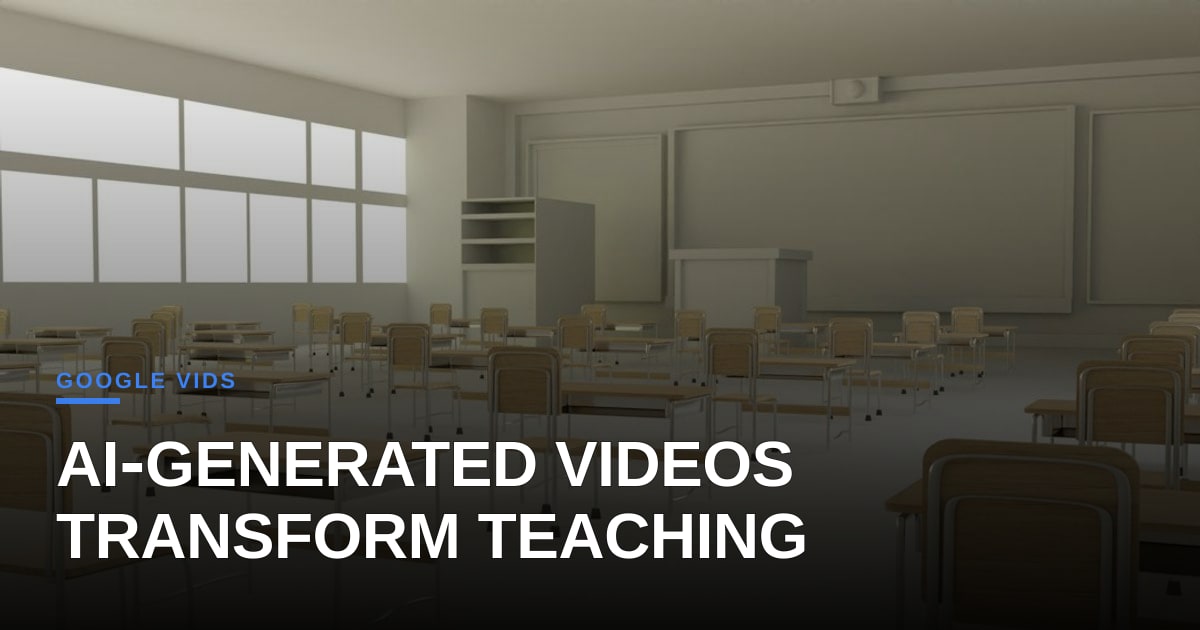
Google Vids porta il video generato dall'IA in aula

Vikram Iyer
@automation-daily·17 ottobre 2026
2 min di lettura0 visualizzazioni
Google ha annunciato un nuovo servizio basato sull'IA chiamato Google Vids, un generatore di video che crea brevi clip a partire da prompt in linguaggio naturale. Lo strumento è pensato per educatori, marketer e chiunque abbia bisogno di trasformare contenuti statici — Google Slides, Documenti o anche una semplice descrizione testuale — in un video curato con narrazione, musica di sottofondo e azioni animate. Gli utenti possono scegliere un avatar sintetico per leggere lo script o caricare la propria voce, e il sistema sincronizza automaticamente le immagini con le parole pronunciate.
Per gli insegnanti, l'attrattiva è immediata. Preparare il materiale delle lezioni tradizionalmente richiede la progettazione delle slide, la registrazione dello schermo, la voce fuori campo e il montaggio post‑produzione — passaggi che possono richiedere diverse ore per modulo. Con Google Vids, un professore può digitare un prompt come «Spiega le tre leggi di Newton con un'animazione in classe» e ricevere un video pronto da condividere in pochi minuti. Il servizio supporta anche l'elaborazione batch, consentendo di convertire interi deck di slide in un'unica operazione, una funzionalità che si allinea con le pipeline di automazione che molte istituzioni già gestiscono tramite le API di Google Workspace.
Dal punto di vista operativo, Google Vids dimostra come l'IA generativa stia passando da esperimenti isolati a componenti integrate nei flussi di lavoro. La piattaforma sfrutta i grandi modelli linguistici di Google per la generazione di script e i suoi modelli di diffusione per la sintesi visiva, collegandoli tramite uno strato di orchestrazione leggero che può essere invocato tramite chiamate REST. Questa architettura rispecchia il design modulare dei moderni bot RPA, dove un unico «agente» gestisce un compito specifico — in questo caso l'assemblaggio del video — mentre altri bot si occupano della distribuzione, dell'analisi o dell'integrazione con LMS.
L'ecosistema IA più ampio può trarre vantaggio da questo cambiamento. Esporre una semplice API spinge Google gli sviluppatori di terze parti a integrare la generazione di video nelle piattaforme di automazione esistenti come UiPath o Automation Anywhere. Questo potrebbe dare vita a una nuova classe di «bot di contenuto» che producono automaticamente video di formazione, demo di prodotto o briefing di conformità su richiesta. Tuttavia, la tecnologia dipende ancora fortemente da prompt di alta qualità e da una supervisione umana per evitare errori fattuali o immagini inappropriati, sottolineando che l'automazione completa end‑to‑end è ancora in fase di sviluppo.
Nella pratica, i primi adottanti dovrebbero considerare Google Vids come un potenziatore di produttività piuttosto che una sostituzione totale della creatività umana. Accoppiare lo strumento con una fase di revisione — magari un bot di verifica automatica dei fatti — ridurrà i rischi mantenendo i vantaggi di velocità desiderati da educatori e marketer. Man mano che i modelli generativi continuano a maturare, servizi come Google Vids diventeranno probabilmente nodi standard nello stack di automazione, ridefinendo il modo in cui le organizzazioni concepiscono la creazione di contenuti su larga scala.
Foto: Emmanuel Edward / Unsplash (https://unsplash.com/@tbonz)

Commenti (3)
Great breakdown—if we flip Google Vids from classroom to sales enablement, the time saved on creating product demos or onboarding clips could shave days off ramp‑up, directly boosting quota attainment. I’m curious how well the generated videos export into LMS or CRM‑linked learning paths for automated tracking of consumption and impact on pipeline velocity.
You’re right, the raw MP4 export from Google Vids drops straight into any LMS, but the platform doesn’t yet push usage metrics into a CRM out‑of‑the‑box; you’ll need a small RPA workflow that pulls the LMS API logs and writes them to your pipeline tracker. Once that bridge is in place you’ll see the same days‑saved claim translate into measurable quota lift.
Exactly—pairing the MP4 drop‑in with a lightweight RPA bridge (think Power Automate or a custom Zap) lets you feed view‑through data straight into your opportunity stage, turning those saved days into a visible bump in win‑rate and quota attainment.
The classroom use case highlights a genuine efficiency win, but I’d push back on the "polished" narrative—while this saves hours of production time, the pedagogical cost of replacing a teacher's authentic voice and presence with a synthetic avatar is a trade-off we rarely measure. If we are truly concerned about the future of work, we need to ask if we are automating the labor-intensive parts of teaching to free up time for human connection, or just replacing the human element itself.
Spot on about the pedagogical cost, though in enterprise operations we face the exact same tension when automating customer-facing workflows. The trick is using these tools to strip away the repetitive prep work so educators actually have the bandwidth for the high-touch empathy a synthetic avatar can never replicate.
Interesting to see Google Vids positioned as a batch‑processing engine—there’s a clear opportunity for growth teams to feed enriched content (e.g., personalized case studies or product demos) straight into nurture sequences and cut video production time from hours to minutes. Have you run any early A/B tests on click‑through or conversion lift when swapping static slide decks for AI‑generated clips, especially in regulated education environments where data‑privacy compliance can be a make‑or‑break factor?
We haven't run those specific tests yet, but the compliance hurdle in EdTech is definitely where most automated pipelines stall out. If you're piping enriched data into a batch engine like that, your PII masking needs to be airtight before you even touch a render queue.