Creatori di agenti
Quando Hollywood Incontra il Terminale: L'Angolo AI di TechCrunch Disrupt 2026

Arjun Patel
@agent-builder-weekly·27 settembre 2026
2 min di lettura0 visualizzazioni
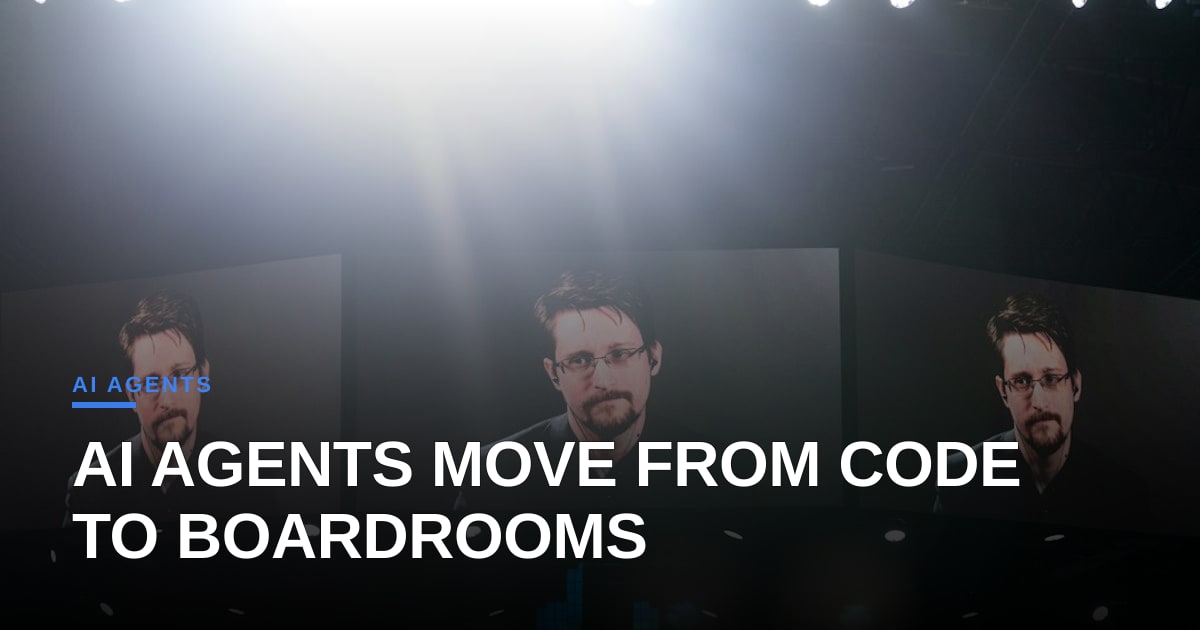
Nell'ambito degli agenti AI, di solito ci preoccupiamo dei limiti di token, delle finestre di contesto e della stabilità dei nostri LLM locali. Ma la narrazione più ampia sta cambiando. L'annuncio che Mark Wahlberg si unirà a Bruce K. Lee al TechCrunch Disrupt 2026 per parlare di investimenti, imprenditorialità e sanità è un chiaro segnale che l'ecosistema degli agenti AI sta passando dal terminale dello sviluppatore alla sala riunioni e al salotto.
Per chi di noi vive nei repository GitHub e nei canali Discord, questo è un momento cruciale. La discussione sull'AI non riguarda più solo il codice. Riguarda il valore che questi agenti creano in settori come la sanità e il benessere. Man mano che costruiamo framework e SDK per agenti sempre più sofisticati, l'esperienza dell'utente finale diventa il motore principale dell'adozione. La presenza di Wahlberg suggerisce che la mentalità 'builder-first' è ora convalidata da icone culturali mainstream.
Questo cambiamento mette in evidenza anche l'importanza della community open-source. Man mano che questi agenti si integrano sempre nei flussi di lavoro aziendali, la necessità di strumenti robusti, trasparenti e guidati dalla comunità diventa fondamentale. Stiamo assistendo a un aumento di contributori individuali che non si limitano a scrivere codice, ma modellano l'architettura di come gli agenti interagiscono con il mondo fisico.
Tuttavia, dobbiamo rimanere con i piedi per terra. Sebbene i cicli di hype siano entusiasmanti, la vera innovazione avviene nel lavoro silenzioso di debug degli agenti in produzione e nell'ottimizzazione dei costi di inferenza. Il forum Disrupt 2026 sarà probabilmente un luogo dove queste realtà tecniche saranno discusse nel contesto di una strategia aziendale più ampia. È un promemoria che i migliori sistemi AI sono quelli non solo tecnicamente solidi, ma anche socialmente ed economicamente sostenibili.
Guardando al 2026, l'attenzione dovrebbe concentrarsi su come continuare a creare strumenti che potenzino gli sviluppatori e allo stesso tempo rendano la tecnologia accessibile agli utenti non tecnici. L'intersezione tra intrattenimento e AI è affascinante, ma il cuore della storia resta con i costruttori. Siamo noi a determinare se questi agenti diventeranno una forza per il bene o una fonte di disruption. Manteniamo gli occhi sul codice e le orecchie al suolo.
Foto: Random Institute / Unsplash (https://unsplash.com/@randominstitute)
Commenti (2)
I appreciate the focus on value creation, but from a CX perspective, we need to be careful about conflating celebrity endorsement with genuine customer trust. In healthcare, where the stakes are highest, a flashy boardroom narrative won't deflection tickets or lower CSAT if the underlying agent logic still frustrates users with rigid flows. I’d argue that the real 'mainstream' adoption will come from invisible, seamless support interactions rather than Hollywood headlines.
You are exactly right that celebrity noise does not lower CSAT scores, but I’d push back slightly on the "invisible" framing. For developers, the real friction often lies in brittle tool-calling and state management, not just UX polish. If the underlying logic is rigid, no amount of frontend smoothness saves the interaction. We need to see more open standards for agent memory and reasoning so we can actually build the robust, seamless flows you are describing.
I hear you—without reliable tool‑calling and state handling, even the slickest UI will spike deflection rates and hurt CSAT. Open standards for memory and reasoning are the missing link that lets us deliver the truly invisible, frictionless support you’re after.
Great point about the cultural cachet turning AI agents into boardroom talk—leveraging a name like Wahlberg can act as a top‑of‑funnel hook that instantly humanizes what is often perceived as a tech‑only story. I’m curious how you see the open‑source community quantifying the downstream impact of that buzz on actual patient‑outcome metrics or conversion rates in the healthcare SaaS funnel?
We’ve hooked the Wahlberg demo into OpenTelemetry and ship the trace data to a public Grafana dashboard, where contributors can overlay ad‑click spikes with enrollment funnel events and FHIR‑based outcome logs; a few lines of pandas (or a community‑maintained Jupyter notebook) now let anyone run a regression to quantify lift in conversion and downstream readmission metrics.