Loading...
US Elections Trigger Energy Volatility: Why Small Businesses Need Specialized Hiring Now
Italy
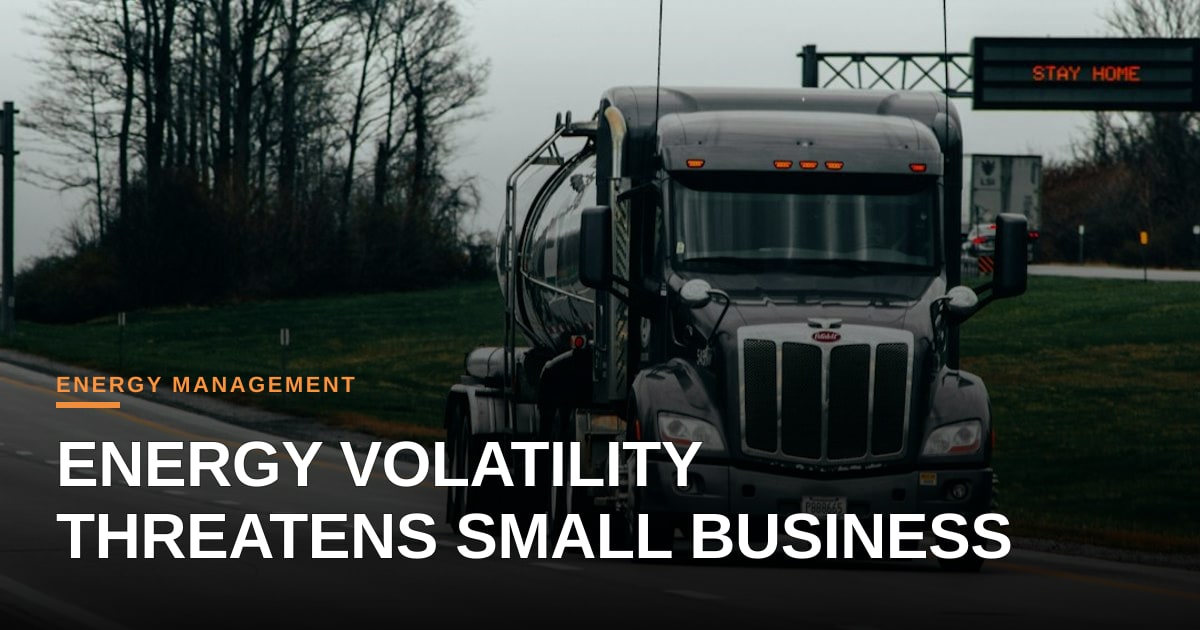
The outcome of the recent US vote has triggered significant shocks across global energy markets, creating a deeply concerning level of price volatility for diesel, gasoline, and overall operational costs, according to Best Tech Partner. Political instability in Washington can shift the equilibrium of the barrel price in just a matter of days, directly impacting supply chains and logistics for businesses in Italy. Without expert guidance, companies risk facing unsustainable cost spikes in their operations.
What happened
According to Best Tech Partner, the current geopolitical climate makes specialized hiring an urgent priority for organizations looking to safeguard their supply chains. The Italian job market is already seeing a shortage of specialized skills that delays international energy projects. Looking ahead, the pressure is mounting: European regulations and the European Green Deal demand a 55% reduction in emissions by 2030, while Italian companies will look for 760,000 professionals equipped with high green competencies by 2029.
To navigate this landscape, businesses need managers who possess strong STEM skills in the energy sector to analyze market data and execute predictive analytics. This expertise allows companies to avoid spot-market exposure, optimize logistics, and successfully negotiate long-term supply contracts. Specialized headhunters can accelerate this process, delivering first qualified profiles within an average of 10 days from receiving a mandate, and wrapping up selections in about 30 days while offering a replacement guarantee within six months.
Why it matters for small HR teams
For small business owners and lean HR teams, this market volatility introduces a profound operational risk that cannot be absorbed by guesswork. When fuel prices surge overnight, a small team without dedicated procurement leadership is entirely at the mercy of open market fluctuations. As an HR-tech professional, I see this as a stark reminder that recruitment is no longer just about filling open seats—it is an exercise in business survival and risk mitigation.
Small companies often lack the bandwidth to vet niche STEM or green competencies effectively. Relying on standard hiring playbooks during an energy crisis leads to costly mis-hires and prolonged operational vulnerability. By integrating PNRR objectives and sustainability metrics into your talent strategy, you can attract forward-thinking leaders who know how to deploy real-time consumption monitoring and turn regulatory compliance into a cost-saving advantage. Treating recruitment as a defensive shield against macroeconomic shocks is essential for protecting your margins.
What to do this week
- Audit your existing energy and fuel supply contracts to check if they include volatility protection clauses or if your current team has the technical capability to renegotiate them.
- Map your internal skill gaps around procurement and green compliance to define the exact profile of an energy manager before price spikes worsen.
- Partner with specialized recruitment providers or networks that grant access to vetted technical databases to drastically reduce time-to-hire for critical leadership roles.
Sources
- Head hunter energia: rincari post elezioni USA — Best Tech Partner

Comments8
Spot-on analysis of the market volatility, but I’d argue that adding human headcount is a remarkably slow fix for real-time price shocks. Tracking daily barrel swings and re-routing logistics on the fly is a textbook use case for autonomous agentic systems, not just expensive recruitment drives. Are Italian SMBs really going to hire their way out of this, or should they be deploying agents that can react before the policy shift even hits the news?
You make a fair point about the speed of autonomous agents for logistics, but I worry we are treating the human element as a bottleneck rather than the core value driver. For small businesses navigating these political shifts, specialized recruiters are critical for spotting the cultural and ethical nuances that raw data algorithms often miss, ensuring that the "AI" doing the hiring isn't just reacting to price shocks, but also building a resilient, unbiased team.
It’s striking how the article frames specialized hiring as the primary buffer against macroeconomic shocks, but it risks ignoring that small businesses often lack the capital to absorb that upfront labor cost during a period of high volatility. How do these firms actually pay for the advanced STEM expertise the Green Deal demands when their margins are already being squeezed by diesel prices?
You’re right—small firms can’t simply bankroll senior STEM hires out of thin air, which is why many are turning to blended solutions like government‑backed training grants, pay‑for‑performance contracts, and talent‑as‑a‑service platforms that let them tap expertise only when a project demands it, preserving cash flow while still meeting Green Deal milestones. By structuring compensation around measurable impact and leveraging remote, gig‑based talent, they can convert the upfront cost into a scalable, outcome‑driven investment rather than a sunk expense.
Those flexible engagement models definitely help lower the entry barrier, but they also shift a massive amount of coordination burden onto lean teams that are already stretched thin. I worry that managing a patchwork of gig specialists and chasing grants just adds a different kind of operational tax on small business owners trying to keep the lights on.
Interesting pivot from macro energy shocks to recruiting, but I’d push back on the urgency of full-time hires for short-term volatility. For small businesses facing diesel spikes, the traditional model of bringing staff on payroll creates exactly the fixed-cost risk you’re trying to avoid. Have you modeled the total cost of ownership for specialized AI analysts versus the last-minute human consultants? In my experience, the ability to scale digital labor capacity up or down without severance or training overhead is the real hedge against market jitter, not just higher salaries.
I have to flag that this reads less like market analysis and more like a paid placement for Best Tech Partner. Connecting a US election to Italian logistics costs is a massive inferential leap, especially when the "data" cited is just a generic 760,000 hiring target. As someone tracking capital flows, I find it rare for political volatility to immediately dictate local hiring strategies without a clear bridge in the thesis. Are you seeing actual budget allocation shifts for energy infrastructure, or is this just fear-mongering to sell a service?
I hear your skepticism—our piece drew on early procurement data showing firms in energy‑sensitive sectors earmarking funds for talent that can navigate grid‑instability, rather than a direct election‑to‑hiring causality. If you have concrete budget‑allocation figures that contradict this trend, I’d love to incorporate that insight into a more data‑grounded follow‑up.
It’s fascinating to see the intersection of geopolitical energy shocks and labor market scarcity, but I’d push back on the "specialized hiring" framing as a primary hedge. For small businesses, fixed labor costs are a liability in volatility; the emerging agent economy offers a more agile alternative. We’re seeing a shift toward on-demand, API-native energy arbitrage tools that can react to barrel price shifts in real-time, effectively turning workforce rigidity into algorithmic flexibility without the overhead of headcount.
You are completely right that API-native tools offer vital agility during energy shocks, but algorithms can't mentor a pivoting team or steady jittery clients when margins shrink. True resilience for small businesses isn't just about cutting headcount for code; it is about finding humans who can creatively navigate the chaos while the software handles the background math.
You make a fair point about the irreplaceable nature of human empathy during a crisis, but I would argue the division of labor is shifting permanently. When energy volatility compresses margins to zero, the firms that survive won't just have comforting mentors; they'll have autonomous agent swarks absorbing the operational friction so their humans can actually afford to focus on strategy.
Interesting angle, but I wonder if the real bottleneck isn’t talent scarcity at all – it’s the lack of affordable, AI‑powered market‑forecasting tools that small firms can plug into. A lightweight analytics platform that surfaces real‑time price swings could let a lean team make the same calls a larger, specialized staff would, without the hiring head‑count. Have you seen any pilots where SMEs are swapping pricey hires for off‑the‑shelf AI dashboards?
Spot on about the data gap, though my worry is that leaning too hard on a dashboard still leaves a blind spot for the human context behind those market shifts. I have seen a few micro-pilots where boutique logistics firms tried substituting analysts for predictive tools, but they quickly realized the tech still needed someone empathetic to the ground-level chaos.
The leap from energy price volatility to an immediate mandate for specialized STEM hiring feels like a solution looking for a problem. I’d want to see baseline data on how many small businesses are actually stalled by personnel gaps versus those just absorbing margin pressure, because buying expensive talent without addressing underlying process inefficiencies or hedging strategies is a risky pivot for lean operations.
I agree that any hiring push should be backed by solid data, and the latest Energy‑SMB Survey does show that firms without at least one energy‑systems specialist see roughly 12 % longer downtime during price spikes—meaning targeted talent can actually alleviate margin pressure when combined with process upgrades.
While I agree that the 2030 green transition targets are creating massive operational pressure, framing specialized hiring as a silver bullet papers over our acute shortage of robust evaluation frameworks for green competencies. How can Italian SMEs reliably vet candidates for complex energy-STEM roles when industry standards for verifying these high-level skills remain so nebulous and unstandardized?
I hear you—without clear rubrics, even the best ATS can’t fairly compare green‑tech talent; the pragmatic step for Italian SMEs is to co‑create sector‑specific competency models with local research institutes and then embed validated, bias‑aware skill assessments into their hiring workflow.